Short answer
A 10x14 fire pit patio using 6x9 inch pavers requires 392 pavers, including a 5% waste factor. The patio covers 140 sq ft, so this count applies to any 6x9 paver regardless of brand. You'll also need about 1.73 cubic yards of base aggregate, 11.7 cubic feet of bedding sand, and 2 bags of polymeric sand.
How this calculator works
The calculator takes four inputs: patio length and width in feet, and paver dimensions in inches. It converts everything to a common unit — square inches — then divides the total patio area by the face area of one paver. Finally, it applies a 5% waste multiplier and rounds up to the nearest whole paver.
The formula in plain English:
- Convert patio area to square inches: 10 ft × 14 ft × 144 sq in/sq ft = 20,160 sq in
- Calculate one paver's face area: 6 in × 9 in = 54 sq in
- Divide: 20,160 ÷ 54 = 373.3 pavers (raw, no waste)
- Multiply by 1.05 for waste: 373.3 × 1.05 = 392.0, rounded up to 392
That ceiling function matters. The calculator never rounds down — you cannot install a fraction of a paver, and running short mid-project means a second trip to the store and a potential dye-lot mismatch.
Secondary outputs explained:
Base aggregate (1.73 cubic yards): The formula assumes a standard 4-inch compacted crushed stone base — the minimum for residential patio use in most climates. Softer soils or areas with heavy freeze-thaw cycles warrant 6 inches, which would push this number to about 2.59 cubic yards. Order compacted cubic yards, not loose — crushed stone typically compacts by 15–20%, so tell your supplier you need 1.73 yards compacted and they'll send closer to 2 yards loose.
Bedding sand (11.7 cubic feet): This is a 1-inch layer of coarse bedding sand (ASTM C33 or equivalent) screeded flat before the pavers are set. Do not use mason sand or play sand — they're too fine, shift under load, and cause pavers to settle unevenly. 11.7 cubic feet is roughly 0.43 cubic yards.
Polymeric sand (2 bags): After the pavers are set and compacted, polymeric sand is swept into the joints and activated with water. It hardens to resist washout and weed growth. The 80 sq ft per bag estimate is conservative — actual coverage varies by joint width. With tight 1/8-inch joints, 2 bags is sufficient; wider joints may require a third.
What the calculator does not include:
- Paver thickness: this affects excavation depth but not paver count
- Joint spacing: the formula assumes pavers are laid tight. If you're using spacers for a 3/8-inch joint, reduce your net paver count by roughly 2–3%
- Compaction losses in base material
- Any border pavers in a contrasting color or size
The formula also assumes a rectangular patio with straight cuts on the border. A fire pit patio with a curved edge or a circular cutout for the fire ring will generate more waste — bump the waste factor to 8–10% manually and order accordingly.
Using the outputs:
Pull the main paver count and secondary outputs together before ordering anything. Gravel suppliers and landscape material yards need cubic yards; your paver count goes to the masonry supplier or big-box store. Polymeric sand and bedding sand are typically bought in bags. Ordering all materials at once avoids mid-project shortages.
Recommended materials
For a 10x14 patio, you're working with standard-size pavers and moderate material volumes — everything here is stocked at most home centers and can be ordered online for site delivery.
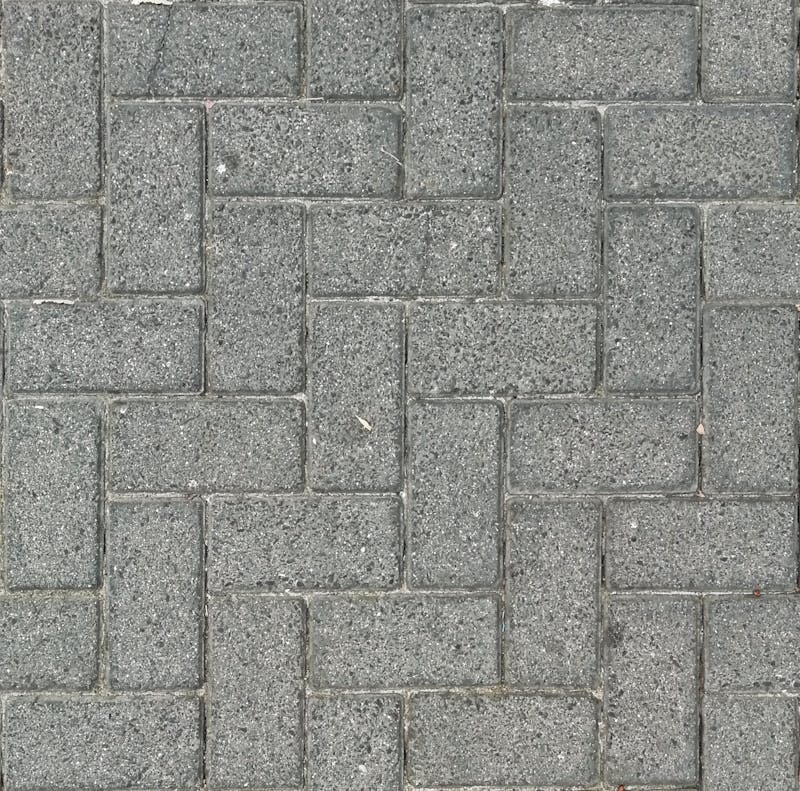
- Pavestone Holland 6x9 inch concrete paver — Holland-pattern pavers are 2.375 inches thick, rated for pedestrian traffic, and available in multiple colors to complement fire pit surrounds
- QUIKRETE all-purpose gravel (50 lb bag) — suitable for the compacted base layer; order in bulk bags or loose by the yard for this project size
- SAKRETE polymeric sand (50 lb) — activates with water to lock joints; two 50 lb bags cover this 140 sq ft patio at standard joint widths
- Pavestone EdgePro paver restraint (8 ft) — spiked plastic restraint keeps the border course from spreading; you'll need approximately 5 sections (48 linear feet) to wrap a 10x14 perimeter
FAQ
How many pavers do I need for a 10x14 patio? Using 6x9 inch pavers, you need 392 pavers. That count includes a 5% waste factor to cover cuts, chips, and pattern adjustments.
Why does the calculator add a 5% waste factor? Pavers get cut along borders, dropped and chipped during installation, and sometimes broken when tamped. 5% is the industry-standard buffer for a straightforward rectangular patio. Add another 5–10% if you're running a diagonal or herringbone pattern.
How much base gravel does a 10x14 patio need? A 4-inch compacted base under a 140 sq ft patio requires about 1.73 cubic yards of crushed aggregate. Most suppliers sell gravel by the ton — roughly 1.4 tons per cubic yard for crushed limestone.
How much paver sand do I need for this patio? A 1-inch bedding layer under 140 sq ft works out to about 11.7 cubic feet of coarse sand. That's roughly half a cubic yard, or about 8–9 standard 50 lb bags.
How many bags of polymeric sand for a 10x14 patio? The calculator shows 2 bags of polymeric sand at 50 lbs each, based on roughly 80 sq ft coverage per bag. Actual use depends on joint width — wider joints or larger pavers consume more sand per bag.
Do I need edging restraints for a fire pit patio? Yes. Without plastic or aluminum edge restraints, the outer course of pavers will migrate outward over time, especially with freeze-thaw cycles. Restraints are staked every 12 inches on curves and every 24 inches on straight runs.
What's the best pattern for a fire pit patio? Running bond (brick-style offset) is easiest to cut and wastes the fewest pavers. Herringbone is more stable underfoot but generates more cuts — budget 10% waste instead of 5%. Pinwheel works well aesthetically around circular fire pits.
How deep should I excavate for a paver patio? For a residential patio, excavate 7–8 inches total: 4 inches of compacted base aggregate, 1 inch of bedding sand, and the paver thickness (typically 2.375 inches for standard concrete pavers). Add 1 inch if your soil drains poorly.
Can I lay pavers on existing concrete? Yes, if the slab is structurally sound with no major heaving or cracking. Screed a 1-inch sand bed over the slab, or use paver pedestal systems to handle minor slope corrections. Skip the gravel base entirely in this case.
How long does a 10x14 paver patio take to install? One experienced DIYer working a full weekend can typically finish a 140 sq ft patio from excavation to final compaction. Allow extra time if hand-digging — renting a plate compactor is non-negotiable.
Do 6x9 inch pavers work well around fire pits? 6x9 pavers are a versatile size — small enough to cut cleanly around a circular fire ring and large enough to lay quickly. Concrete pavers rated for patio use handle radiant heat at normal fire pit distances without issue.