Short answer
You need 784 pavers (6×9 inches each) to cover a 14×20 patio. That figure accounts for the 280 sq ft of patio area plus a 5% waste factor for cuts and breakage when using 6x9 pavers for a 14x20 large patio.
How this calculator works
The paver calculator takes four inputs—patio length, patio width, paver length, and paver width—then works through a straightforward sequence to give you a count you can actually hand to a supplier.
Step 1: Convert patio area to square inches
Paver dimensions are in inches; patio dimensions are in feet. To compare them on the same scale, the calculator converts the patio area to square inches:
14 ft × 20 ft = 280 sq ft × 144 = 40,320 square inches
Step 2: Find the area of one paver
A single 6×9 paver covers 54 square inches.
Step 3: Raw paver count
40,320 ÷ 54 = 746.67 pavers
That decimal means you'd need pieces of a paver—which isn't how the real world works. The formula rounds up, giving a raw count of 747.
Step 4: Add the 5% waste factor
Cuts happen at every edge and corner. Pavers crack during transport, under the saw, or when a heavy tool lands on them. The calculator multiplies by 1.05 and rounds up to the nearest whole number:
747 × 1.05 = 784.35 → 784 pavers
The rounding after the waste factor is what pushes the final count to a clean 784.
Secondary outputs you should also order
The calculator produces three additional quantities that matter just as much as the paver count:
Base aggregate (4-inch compacted gravel base): 3.46 cubic yards. This is the structural layer that keeps your patio from heaving or sinking. Order 4 cubic yards to account for the volume lost during compaction—aggregate typically compacts 15–20%.
Setting sand (1-inch screeded bed): 23.3 cubic feet (roughly 0.86 cubic yards). This is the coarse, washed concrete sand you screed flat before setting each paver. It is not the same product as the polymeric sand used to fill joints—mixing them up is a common and expensive mistake.
Polymeric sand (50 lb bags, ~80 sq ft coverage each): 4 bags for 280 sq ft. These fill the joints between pavers and are activated by a final misting with water, which triggers the polymer binder to harden.
What the calculator does not account for
The formula assumes a flat, rectangular patio with no obstacles. If your layout includes a fire pit cutout, a built-in planter, or a curved edge, you'll need to adjust manually. For curves, bump the waste factor from 5% to at least 8–10% to cover the extra cut pieces. The calculator also does not size the edging restraints—those are priced by linear foot, not by area, so measure the perimeter (for this patio: 14 + 20 + 14 + 20 = 68 linear feet) and order enough to cover it.
The base aggregate formula uses a 4-inch base depth. If your soil is sandy and well-draining, 4 inches is typically sufficient. Clay-heavy or freeze-thaw-prone soils often call for 6 inches; multiply the cubic yard output by 1.5 to estimate that scenario.
Recommended materials
For a 14×20 patio using 6×9 pavers, you're working with straightforward, widely available products. The pavers themselves should be concrete or natural stone rated for outdoor pedestrian use; the base and jointing materials need to match the paver type and your climate.
- Pavestone Holland 6x9 inch concrete paver — a standard-thickness (2.375 in) interlocking concrete paver suitable for patios and walkways, available at most home centers by the pallet
- QUIKRETE all-purpose gravel (50 lb bag) — washed crushed stone for the compacted base layer; order in bulk or by the bag depending on delivery options in your area
- SAKRETE polymeric sand (50 lb) — polymer-activated joint sand that hardens after wetting; you'll need 4 bags for this patio
- Pavestone EdgePro paver restraint (8 ft) — flexible plastic edging spiked into the base aggregate to lock the perimeter course in place; plan for at least 9 sections (72+ linear feet) to cover the 68 ft perimeter with overlap
FAQ
How many 6x9 pavers do I need for a 14x20 patio? You need 784 pavers. That count covers 280 square feet of patio area and includes a 5% waste factor for cuts and breakage.
Why does the calculator add a 5% waste factor? Pavers along edges and corners almost always require cuts. Some will crack during installation or handling. A 5% buffer means you won't be short at the end of the job—and you'll have a few spares for future repairs.
How much base gravel do I need for a 14x20 patio? A standard 4-inch compacted base requires about 3.46 cubic yards of aggregate for a 280 sq ft patio. Round up to 4 cubic yards when ordering to account for compaction and spillage.
How much setting sand do I need? A 1-inch setting bed over 280 square feet works out to roughly 23.3 cubic feet of coarse sand. That's about 0.86 cubic yards, so one full cubic yard order is typical.
How many bags of polymeric sand do I need? At 80 square feet per 50 lb bag, you'll need 4 bags of polymeric sand to fill the joints on a 280 sq ft patio. Buy a fifth bag if your joint spacing is wider than 3/8 inch.
What is polymeric sand and do I have to use it? Polymeric sand is a joint filler mixed with fine silica and a polymer binder that hardens when wet. It resists washout, deters weeds, and discourages ants—standard mason sand works but requires re-filling every few years.
How deep should the base be under a paver patio? A 4-inch compacted gravel base is the standard minimum for a pedestrian patio in most climates. In northern freeze-thaw zones, 6 inches is more common; adjust the aggregate estimate proportionally.
Can I lay a 14x20 patio myself, or do I need a contractor? It's a demanding DIY project but manageable over two or three weekends with the right tools: a plate compactor, wet saw, rubber mallet, and screeding rails. The 280 sq ft size is large enough that renting a plate compactor pays for itself versus hand tamping.
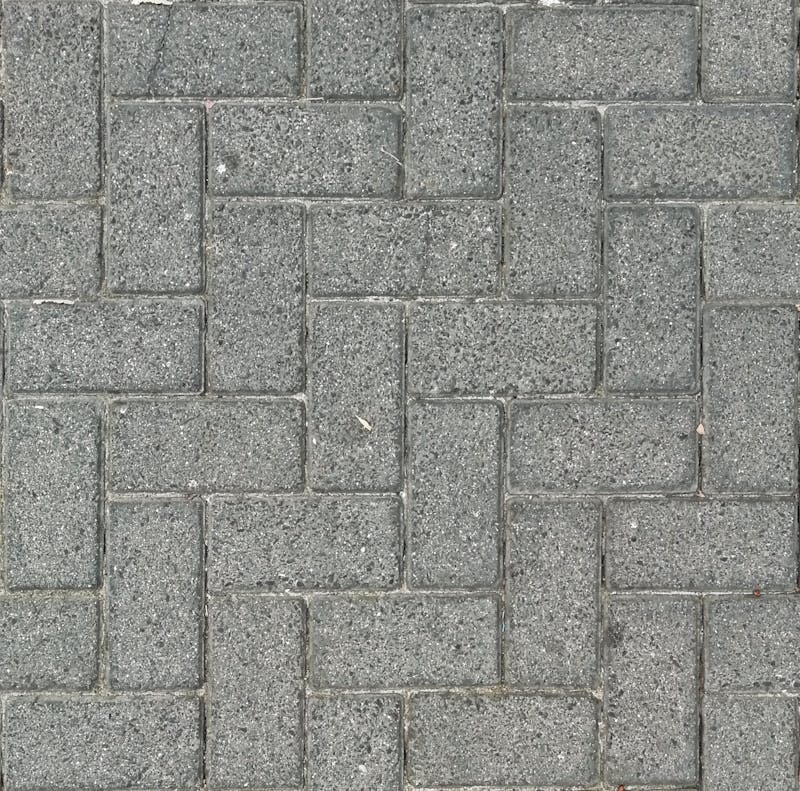
What pattern works well with 6x9 pavers? Running bond (brick-style offset) and herringbone are the two most common patterns. Herringbone is stronger under vehicle traffic; running bond installs faster and wastes fewer pavers on a rectangular patio.
Do I need paver edging restraints? Yes, on any patio without a concrete border or existing wall on all four sides. Without restraints, the edge pavers will gradually migrate outward and the entire field will loosen over time.
How much does it cost to install a 14x20 paver patio? Material costs vary widely by paver style and region. Labor for a professional install typically runs $15–$25 per square foot on top of materials, so factor that into your budget if you're not doing it yourself.
How do I account for a curved or irregular patio shape? Use the calculator with the bounding rectangle dimensions, then add an extra 8–10% waste factor instead of 5% to cover the additional cuts a curved layout demands.