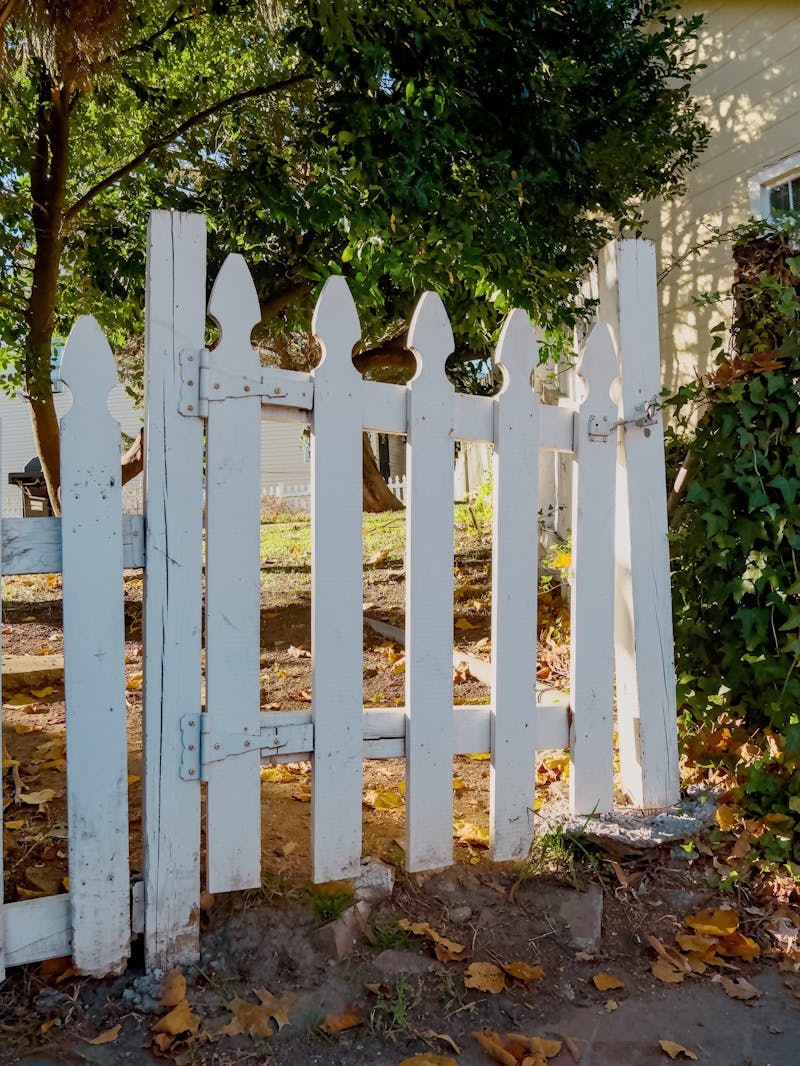
Short answer
A 100-foot privacy fence built with standard 5½-inch pickets and ½-inch gaps requires 200 pickets. Add a 5% waste buffer and you should order 210. The same fence needs 14 posts, 13 sixteen-foot rails, and 28 bags of 60-lb concrete.
How this calculator works
The picket count comes down to one straightforward question: how many times does a picket-plus-gap fit into your total fence length?
The core formula
Every picket occupies its own face width plus the gap you leave beside it. With a 5½-inch picket and a ½-inch gap, each unit takes up exactly 6 inches of horizontal space. Fence length in feet converts to inches by multiplying by 12. So:
Pickets = ⌈(fence length in inches) ÷ (picket width + gap)⌉
For 100 feet:
⌈(100 × 12) ÷ (5.5 + 0.5)⌉ = ⌈1200 ÷ 6⌉ = 200 pickets
The ceiling function (⌈ ⌉) means the calculator always rounds up to the next whole picket. You can't buy two-thirds of a picket, and you won't leave a gap at the end of a run.
Inputs and what they represent
- Fence length (ft): The total linear footage of fence you're building, not including gates. Measure along the ground and subtract any gate openings before entering this number.
- Picket width (in): The actual face width of the picket, not the nominal lumber designation. A "6-inch" dog-ear picket typically measures 5½ inches face-to-face after milling. Check the tag at the lumber yard or measure the board itself.
- Gap between pickets (in): For a solid privacy fence, ½ inch is standard. It leaves enough room for seasonal wood movement without creating visible gaps. A ¼-inch gap works in dry climates; go to ¾ inch or more for a semi-open look.
Secondary outputs
The calculator also figures out everything else you'll need to set a complete fence:
- Posts: One post every 8 feet is the standard spacing for a residential 6-foot privacy fence. The formula adds one for the final endpoint: 100 ÷ 8 = 12.5, rounded up to 13 sections, plus 1 = 14 posts.
- Rails: With top and bottom rails and 16-foot lumber stock, two rails span each 8-foot section. Total rail material = (100 ft × 2 rails) ÷ 16 ft per board = 13 boards.
- Concrete: Two 60-lb bags per post hole is enough for a standard 10-inch-diameter hole at 30–36 inches deep. Fourteen posts × 2 bags = 28 bags.
- Linear feet of pickets: This confirms your picket footage matches your fence footage (100 linear feet here), which is useful as a sanity check when pricing materials by the linear foot.
Waste factor
The raw formula gives you the theoretical minimum. Wood fencing introduces real-world losses: boards that arrive bowed, knots that crack on nailing, bad cuts at corners and gate posts. The calculator applies a 5% default waste factor on top of the base count. For 200 pickets, that's 10 extra boards—a small cost insurance against a second trip to the lumber yard.
When the formula doesn't cover everything
The calculator assumes a straight fence run. If your fence turns corners, treat each straight section as a separate calculation and add the counts. End posts at every corner are already accounted for by the posts formula if you run each section independently.
Post depth is also outside the scope of the picket formula. Standard residential practice is one-third of total post length buried. A 9-foot post buried 3 feet yields a 6-foot above-grade fence—but verify local frost line depth and check with your municipality before digging.
Recommended materials
For a standard 6-foot privacy fence, the most common build uses cedar pickets, pressure-treated structural lumber, and fast-setting concrete for the posts. Cedar holds up to weather without chemical treatment, which matters wherever the wood faces skin contact or garden beds. Posts and rails should always be pressure-treated, since they're in or near ground contact where untreated wood fails within a few years.