Short answer
A 250-foot fence using standard 5.5-inch-wide pickets with 0.5-inch gaps requires 500 pickets. The complete material list also includes 33 posts, 32 rails (16-foot stock), and 66 bags of 60-lb concrete — two bags per post hole. That's the answer to how many pickets for a 250 foot acreage fence.
How this calculator works
The calculator takes three inputs: total fence length in feet, picket width in inches, and the gap between pickets in inches. Those three numbers determine everything downstream.
The core formula
Convert the fence length to inches — 250 feet × 12 = 3,000 inches. Add the picket width to the gap width to get the "slot" each picket occupies: 5.5 in + 0.5 in = 6 inches. Divide total inches by slot width: 3,000 ÷ 6 = 500 pickets. The calculator uses a ceiling function, so any fractional result rounds up to the next whole picket. You never need half a board.
Secondary outputs explained
Posts: Dividing 250 by 8 gives 31.25 spans, which rounds up to 32 spans. Add the endpoint post and you get 33. If your run includes corners or a gate, those posts are already in the count as long as they fall on or near an 8-foot interval. If they don't, add them manually.
Rails: A standard two-rail fence uses one top rail and one bottom rail per section. Two rails × 250 feet = 500 linear feet of rail. Divided by 16 feet per stick: 31.25, rounded up to 32 pieces. This matches common 16-foot pressure-treated lumber dimensions and minimizes waste cuts.
Concrete: Two 60-lb bags per post hole is a reliable standard for 4×4 posts in average soil. At 33 posts that's 66 bags. If your soil is sandy or particularly loose, bump to three bags per hole on end and corner posts. In very rocky or clay-heavy soil you may need fewer bags but more rental time for the auger.
Linear feet of pickets: The output shows 250 linear feet of picket coverage, which matches the fence length exactly. This is a useful cross-check — if your picket coverage deviates significantly from your fence length, something is off in the inputs.
What the calculator does not account for
Gate openings reduce the number of pickets needed, but they don't reduce the post or concrete count — gates still need posts. Measure and subtract each gate opening manually from your picket count. A standard 4-foot walk-through gate removes about 8 pickets from the order.
The 5% waste factor built into the calculator adds 25 pickets to the base count of 500, bringing the recommended purchase to 525 pickets. That buffer covers warped boards you catch at the lumber yard, knots that split on the first nail, and short off-cuts at each gate opening. For a long run like 250 feet, ordering a second trip's worth of materials mid-project costs more in time than the lumber itself costs.
Adjusting for different picket widths
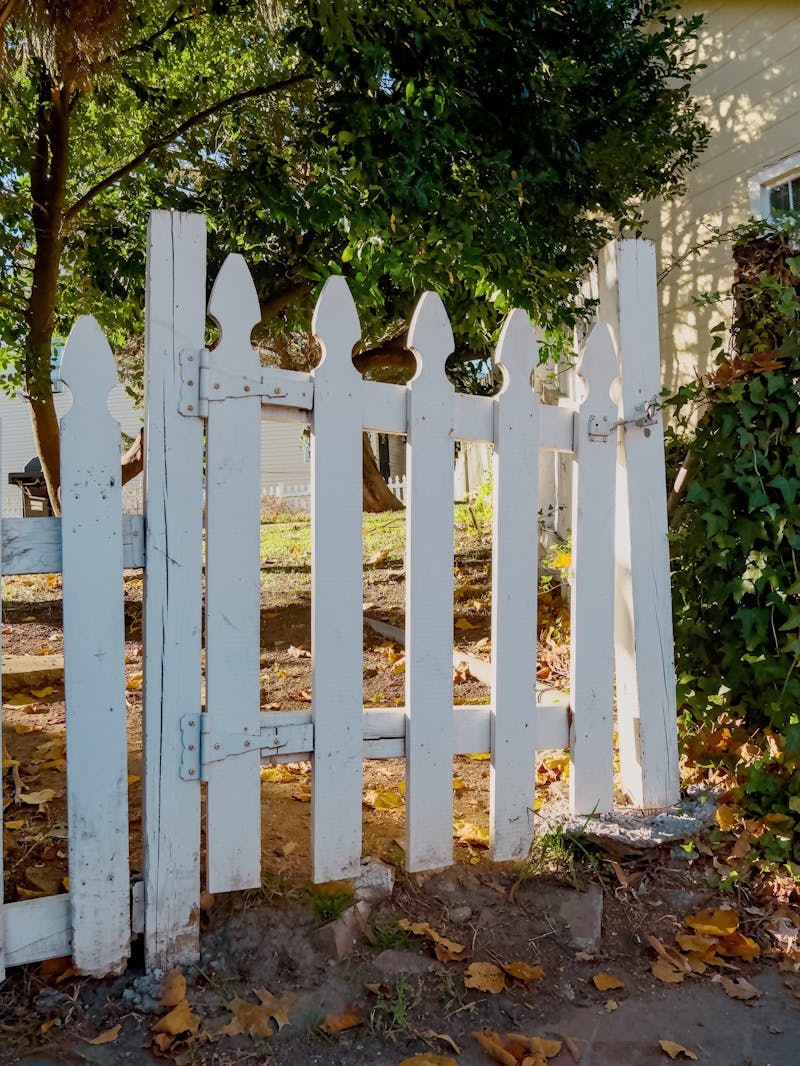
Dog-ear cedar typically runs 5.5 inches of actual face width (nominal 6-inch). Narrower 3.5-inch pickets are common for decorative or ranch-style looks. Plug the actual face width into the calculator, not the nominal size. A board sold as "4-inch" is usually 3.5 inches actual — using the nominal dimension would leave visible over-spaced gaps across a 250-foot run.
Material takeoff summary for 250 feet
| Material | Quantity |
|---|---|
| Pickets (5.5 in × 0.5 in gap) | 500 (buy 525 with waste) |
| 4×4 posts | 33 |
| 16-ft rails (2 per bay) | 32 |
| 60-lb concrete bags | 66 |
Recommended materials
For a run this size, material quality matters more than on a small backyard fence — a single warped post or rail will cause a visible sag across multiple bays. The products below are sized to match the quantities above without unnecessary overbuying.
- Cedar dog-ear picket 5/8 in x 5-1/2 in x 6 ft — the standard 5.5-inch face width used in this calculation; buy in unit quantities of 25 to stay close to 525
- Pressure-treated 4x4 in x 8 ft fence post — rated for ground contact; you need 33 for this layout
- Pressure-treated 2x4 in x 16 ft fence rail — 16-foot stock minimizes splices; order 32 pieces for top and bottom runs
- Quikrete fast-setting concrete (60 lb bag) — pour dry into the hole and add water; cures in 20–40 minutes so you can continue setting posts the same day
FAQ
How many pickets do I need for a 250-foot fence? With standard 5.5-inch dog-ear pickets and a 0.5-inch gap, you need exactly 500 pickets. That works out to 2 pickets per linear foot of fence. Buy at least 525 to account for splits, rejects, and end cuts.
How is the picket count calculated? Multiply the fence length in feet by 12 to get total inches (3,000 in this case). Divide by the sum of the picket width and gap (5.5 + 0.5 = 6 inches). 3,000 ÷ 6 = 500 pickets.
How many fence posts do I need for 250 feet? At 8-foot post spacing, a 250-foot fence requires 33 posts. That's 32 spans of 8 feet plus an endpoint post. Always verify the count after you've laid out corner and gate posts.
How many rails do I need? A standard fence uses two horizontal rails per section. For 250 feet using 16-foot rail stock, you need 32 pieces. That covers both top and bottom runs with minimal cutting.
How much concrete do I need for the posts? Using 2 bags of 60-lb fast-setting concrete per post hole, a 33-post fence needs 66 bags. Actual usage varies with hole diameter and depth — deeper holes in soft soil will consume more.
What does a 5% waste factor mean in practice? A 5% waste factor on 500 pickets adds 25 boards, bringing the purchase total to 525. Waste comes from knots, warped boards you pull before nailing, and pieces cut short at gate openings.
Can I use a tighter spacing than 0.5 inches? Yes, but every 0.25-inch reduction in gap increases your picket count. At 0.25-inch spacing the same 250 feet needs 521 pickets. At zero gap you'd need 546. Run the numbers before ordering.
What picket height is standard for acreage fencing? Most residential privacy fences use 6-foot pickets. Ranch-style or decorative acreage perimeters often use 4-foot pickets to mark a boundary without fully blocking sight lines. Height doesn't change the picket count — only length and spacing do.
How deep should fence posts be set? The general rule is one-third of the total post length below grade. For an 8-foot post supporting a 6-foot fence, dig roughly 2.5 to 3 feet deep. In frost-prone areas, set posts below the local frost line to prevent heaving.
Does a 250-foot fence need corner bracing? Corner and end posts take more lateral load than line posts, so they should be set slightly deeper and may warrant a third concrete bag per hole. If you're running a true perimeter with 90-degree corners, mark those posts separately in your layout.
What wood species works best for acreage picket fencing? Western red cedar resists rot and insects naturally and stays dimensionally stable. Pressure-treated pine is cheaper and widely available, but it's heavier, harder to cut cleanly, and the chemicals can bleed onto adjacent surfaces. Both will last 15–20 years with minimal maintenance if posts are set in concrete.