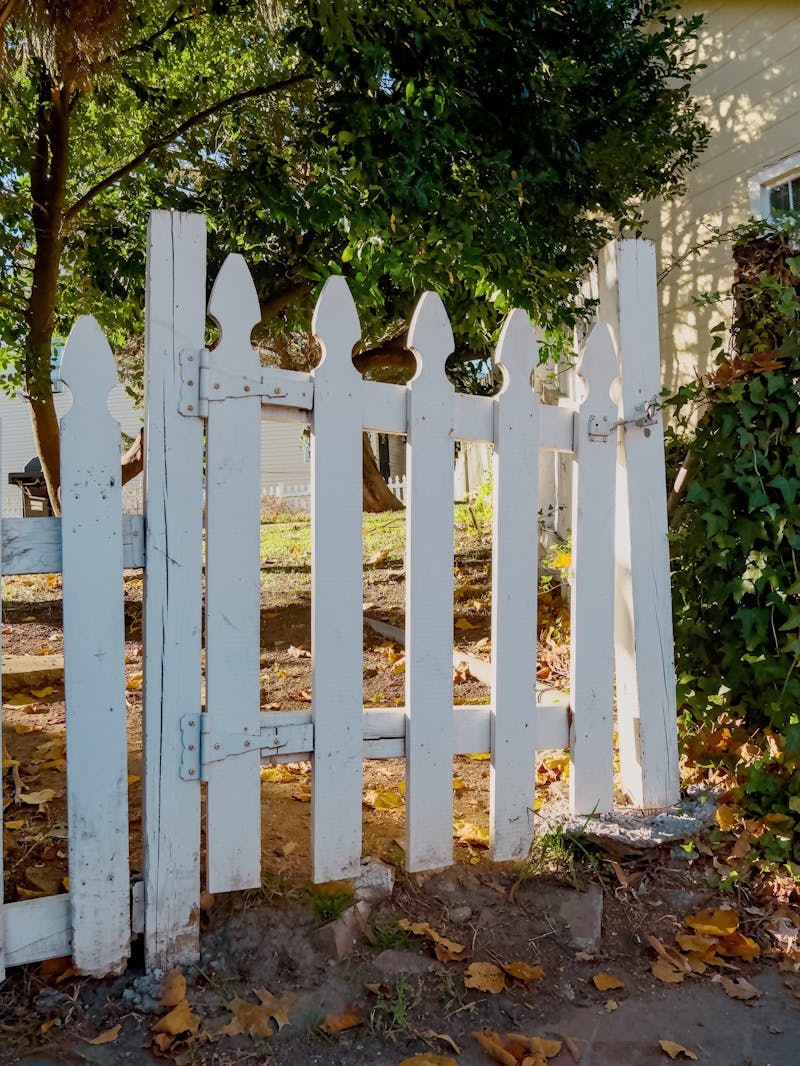
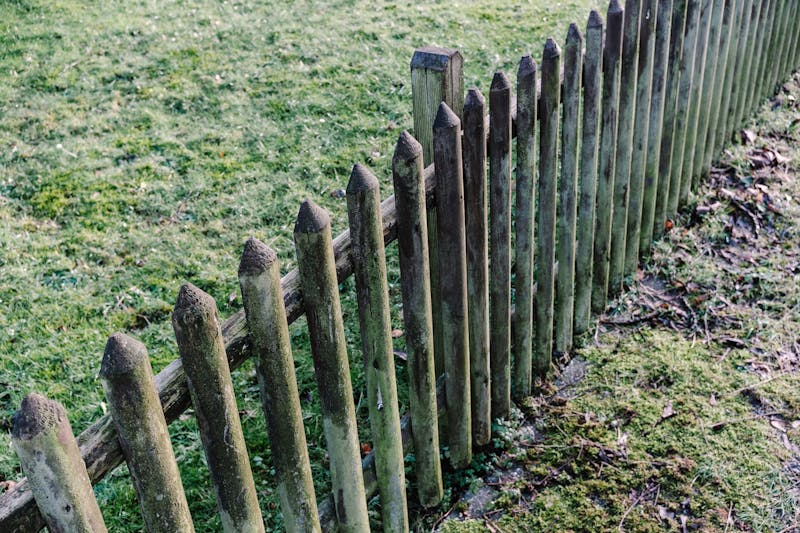
Short answer
A 30-foot pool fence requires 60 pickets using standard 5½-inch dog-ear boards with a ½-inch gap. You'll also need 5 posts, 4 rails (16-foot stock), and 10 bags of 60 lb concrete. That's the answer to how many fence pickets for a 30 foot pool fence before any waste allowance.
How this calculator works
The formula behind this calculator is straightforward: divide the total run in inches by the combined width of one picket plus one gap, then round up to the nearest whole picket.
For this variant:
ceil((30 ft × 12) / (5.5 in + 0.5 in)) = ceil(360 / 6) = 60 pickets
Here's what each input controls and why it matters.
Fence length (30 ft) This is the total linear footage of fence you're building—not the perimeter of the pool unless you're fencing all four sides as one continuous run. If your pool surround has corners and gates, measure each straight segment separately or combine them, then subtract any gate openings before entering the number.
Picket width (5.5 in) Standard dog-ear cedar and pressure-treated pickets sold as "5½ inch" are a nominal size. The actual face width is typically 5.5 inches on the dot for pickets (unlike dimensional lumber which runs narrow). If you're using a different profile—say a 3½-inch Gothic or a 3-inch flat-top—swap that number in and the count adjusts automatically.
Gap between pickets (0.5 in) Pool fence codes in most states require that a 4-inch sphere cannot pass through any opening. A ½-inch gap is well within that limit and gives the fence a tight, finished look. Wider gaps reduce picket count but may trigger a code violation or a failed inspection for pool barriers specifically—always verify local requirements before finalizing your gap dimension.
Main output: 60 pickets The calculator gives you the exact count to cover 30 feet of fence. Add a 5% waste factor (3 more pickets, rounding to 63) to cover boards with splits, bad knots, or end cuts that don't land cleanly. On a short 30-foot run, buying one extra bundle or 3–5 loose boards is cheap insurance against a second trip to the lumber yard.
Secondary outputs and what they mean
- 5 posts — The calculator places a post every 8 feet plus one endpoint post. A 30-foot run gets posts at 0, 8, 16, 24, and 30 feet. If you have a corner or gate, those locations typically add posts too, so adjust the count manually.
- 4 rails — Two rails (top and bottom) per 8-foot bay, bought in 16-foot stock. Each 16-footer covers two bays. For a fence under 4 feet tall this is fine; if pool code requires 48 inches (4 feet) or your fence is 5–6 feet, add a mid-rail and double this count.
- 10 concrete bags — Two 60 lb bags per hole. Near a pool the soil is often disturbed or sandy, which may require setting posts deeper (30–36 inches) or using a third bag. Fast-setting concrete is practical here—it sets in 20–40 minutes so you're not holding posts plumb all afternoon.
- 30 linear feet of pickets — At no waste buffer, 60 pickets × 6-inch module ÷ 12 = exactly 30 feet. This number is useful when checking delivery quantities from a lumber yard that prices by the linear foot.
A note on pool fence compliance The picket math is the same as any fence, but pool fences carry code requirements that normal yard fences don't. Before you finalize material counts, confirm height minimums (typically 48 inches), maximum gap size, and gate latch/hinge requirements with your local building department. A failed inspection can mean pulling and reinstalling posts—far more expensive than a quick code check before the pour.
Recommended materials
For a 30-foot pool fence, cedar dog-ear pickets are the most common choice—they're stable, paintable, and hold up well in the damp environment around a pool. Set posts in fast-setting concrete so you can keep moving rather than waiting on standard cure times. Use pressure-treated stock for anything in ground contact.
- Cedar dog-ear picket 5/8 in x 5-1/2 in x 6 ft
- Pressure-treated 4x4 in x 8 ft fence post
- Pressure-treated 2x4 in x 16 ft fence rail
- Quikrete fast-setting concrete (60 lb bag)
FAQ
How many fence pickets do I need for a 30-foot pool fence? With standard 5½-inch dog-ear pickets and a ½-inch gap, you need 60 pickets for 30 linear feet. That accounts for the spacing formula but not a waste buffer—add 3–4 extra for cuts and defects.
How many fence posts do I need for 30 feet of fence? At 8-foot spacing, a 30-foot run needs 5 posts: 3 line posts plus 2 endpoints. Always add an endpoint post even if you're tying into an existing structure like a gate or wall corner.
How many rails do I need for a 30-foot fence? Using 16-foot rail stock with two rails per section (top and bottom), you need 4 rails total. If your fence is taller than 5 feet, add a mid-rail, which would bring that count to 6.
How much concrete do I need to set the posts? Plan on 2 bags of 60 lb concrete per post hole, so 10 bags for 5 posts. Soft or sandy soil near a pool may require a deeper hole and a third bag per post.
Do pool fences have special code requirements? Yes. Most jurisdictions require a minimum height of 48 inches, self-closing/self-latching gates, and gaps no wider than 4 inches so a 4-inch sphere cannot pass through. Check your local building department before purchasing materials.
Is 5½-inch picket width the right choice for a pool fence? It works for most privacy styles, but confirm that your chosen gap (here ½ inch) combined with picket width meets the 4-inch sphere rule required by pool fencing codes. A ½-inch gap is well within that limit.
Should I use cedar or pressure-treated pickets near a pool? Both are acceptable. Cedar is naturally rot-resistant and holds paint well. Pressure-treated wood resists moisture and insects longer but can warp more in the first season—let it dry before painting or staining.
What is a 5% waste factor and should I apply it here? A 5% waste factor adds 3 extra pickets to the base count of 60, bringing your purchase total to 63. For a small 30-foot run with straight sections, 3–5 extra pickets is a reasonable buffer for rips and rejects.
Can I space pickets at exactly 0 inches for a solid privacy fence? Yes. Change the gap to 0 in the calculator and the picket count rises to 66 for 30 feet. Tight pickets are common on pool fences where privacy is also a goal.
How do I account for a gate in my picket count? Subtract the gate opening width from your total fence length before calculating. A 36-inch gate means you're calculating pickets for 27.5 feet of fence, not 30, and the gate itself ships pre-built or has its own picket count.
What is the formula the calculator uses? It divides the total fence length in inches by the sum of picket width plus gap, then rounds up: ceil((30 × 12) / (5.5 + 0.5)) = ceil(360 / 6) = 60 pickets.
How do I find the linear footage of pickets purchased? Multiply your picket count by picket width plus gap, then divide by 12: 60 × 6 ÷ 12 = 30 linear feet. This matches your fence length exactly when there's no waste buffer applied.