Short answer
A 50-foot fence with standard 5.5-inch pickets and a 0.5-inch gap between each board needs 100 pickets. That's the answer to how many pickets do I need for a 50 foot fence. You'll also need 8 posts, 7 rails (16-foot stock), and 16 bags of 60 lb concrete to set the posts.
How this calculator works
The core calculation is straightforward: divide the total fence length in inches by the combined width of one picket plus one gap, then round up to the nearest whole number.
The formula in plain English:
Total pickets = CEILING( (fence length in feet × 12) ÷ (picket width in inches + gap in inches) )
For this variant:
CEILING( (50 × 12) ÷ (5.5 + 0.5) ) = CEILING( 600 ÷ 6 ) = CEILING(100) = 100 pickets
Because 50 feet divides cleanly into 6-inch slots, you get a round number. Real jobs rarely work out that neatly—an odd fence length or a non-standard gap usually produces a fractional result, and the ceiling function rounds you up so you never come up one board short.
The inputs
Fence length (feet): Measure along the ground from corner to corner. If you have multiple runs, add them up. Do not subtract gate openings here unless you've already accounted for them separately. For this example the length is 50 ft.
Picket width (inches): This is the actual face width of the board, not the nominal name. A "6-inch" dog-ear picket measures 5.5 inches. Check the label or measure a sample board before you run the numbers. The default is 5.5 in.
Gap between pickets (inches): For a solid privacy fence, 0.5 inches is standard. It looks tight but leaves room for seasonal wood movement. A 1-inch gap gives a semi-open look; 0 inches means boards are butted tight, which works for vinyl or composite but will cause warping with wood. The default is 0.5 in.
The 5% waste factor
The formula gives the minimum count. A 5% waste buffer is applied on top to cover end cuts (your last section almost never lands exactly on a picket boundary), boards with knots or checks you reject at the yard, and breakage during installation. On a 100-picket job that's 5 extra boards—well worth it compared to an emergency hardware store run.
Secondary outputs
The calculator also produces a full materials list:
Posts: Spaced 8 feet apart with one post at each end, a 50-foot run needs 8 posts. The formula is CEILING(50 ÷ 8) + 1 = 7 + 1 = 8. If you have a corner or gate, add posts for those separately.
Rails: Two rails per section (top and bottom) using 16-foot stock gives 7 boards. The formula is CEILING((50 × 2) ÷ 16) = CEILING(6.25) = 7. If you're building a 6-foot-tall fence or using heavier pickets, add a third mid-rail and bump this count by 50%.
Concrete: Two 60 lb bags per post hole, 8 posts = 16 bags. Fast-setting concrete is standard for fence posts—no mixing required, just pour dry into the hole and add water.
Linear feet of pickets: 100 pickets × 6 inches each ÷ 12 = 50 linear feet. This matches the fence run exactly, which makes sense when the math divides cleanly. On an irregular fence length, this number shows you exactly how many board-feet of lumber will end up installed.
What the output does not cover
The calculator handles quantity, not height. Board height (typically 6 ft for privacy fencing), post depth, and hardware (nails, screws, post caps) are outside the scope of this calculation. Figure post depth as one-third of total post length—an 8-foot post should be set 24–30 inches deep.
Recommended materials
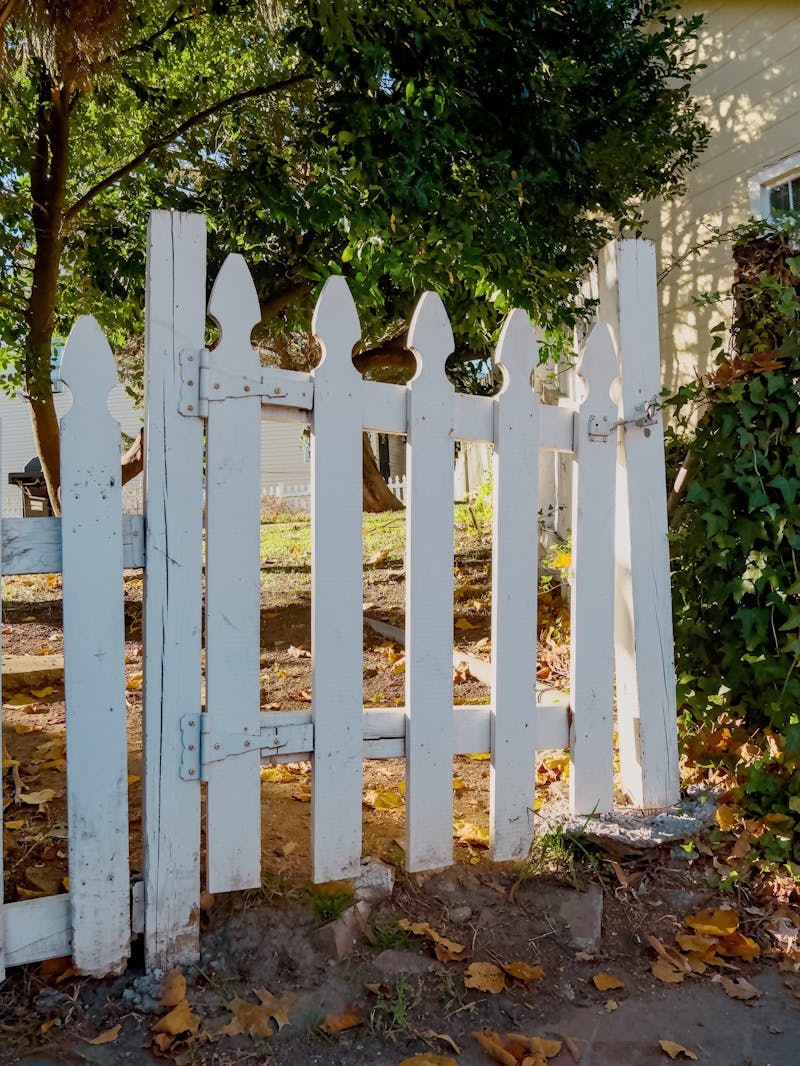
For a standard wood privacy fence, cedar dog-ear pickets are the most practical choice—dimensionally stable, light enough to handle alone, and they take stain well. Posts and rails should be pressure-treated regardless of whether you use cedar pickets, since they're the structural members in contact with concrete and soil.
- Cedar dog-ear picket 5/8 in x 5-1/2 in x 6 ft — the standard privacy fence picket; buy 105 for a 50-foot run to cover the 5% waste buffer
- Pressure-treated 4x4 in x 8 ft fence post — set a minimum of 24 inches deep in concrete; you need 8 for this run
- Pressure-treated 2x4 in x 16 ft fence rail — buy 7 for top and bottom rails; go to 11 if you're adding a mid-rail
- Quikrete fast-setting concrete (60 lb bag) — no-mix formula; pour dry, add water; 16 bags sets all 8 posts
FAQ
How many pickets do I need for a 50 foot fence? With standard 5.5-inch dog-ear pickets and a 0.5-inch gap, you need exactly 100 pickets. That accounts for the full 50 linear feet but does not include a waste buffer. Add 5 extra (5%) for cuts and damaged boards.
What size pickets does this calculator assume? The default is a nominal 6-inch dog-ear picket, which actually measures 5.5 inches wide. That's the most common size sold at home improvement stores. You can change the width in the calculator to match whatever board you're buying.
How much gap should I leave between fence pickets? A 0.5-inch gap is standard for a solid privacy fence. It allows for slight wood expansion in humid weather without buckling. If you want a more open look, a 1.5 to 2-inch gap is common for a semi-privacy or decorative fence.
How many fence posts do I need for 50 feet? At 8-foot spacing, a 50-foot fence requires 8 posts. That's 6 line posts plus 2 end or corner posts. If your layout has corners or gates, add extra posts for those.
How many rails do I need for a 50-foot fence? Using 16-foot rail stock with two rails per section (top and bottom), you need 7 boards. For a taller or heavier fence, three rails per section is better—add 50% more.
How much concrete do I need for fence posts? Plan on 2 bags of 60 lb fast-setting concrete per post hole. For 8 posts on a 50-foot run, that's 16 bags total. Hole depth should be at least one-third the post length—for an 8-foot post, dig at least 24 to 30 inches.
Does the calculator include a waste factor? The raw formula gives you the exact count with no waste. The calculator applies a 5% waste factor on top, which rounds up to 5 extra pickets on a 100-picket job. Always buy a few extra; returning unused boards is easier than making a second trip mid-project.
Can I use this calculator for a fence that isn't 50 feet? Yes. Enter your actual fence length, your picket width, and your desired gap, and the calculator recomputes everything. The secondary outputs—posts, rails, and concrete—update automatically.
What's the difference between dog-ear and flat-top pickets? Dog-ear pickets have diagonal corners cut at the top, flat-tops are square. Both come in the same widths and the math is identical. The choice is cosmetic.
Should I use cedar or pressure-treated pickets? Cedar is naturally rot-resistant and easier to work with hand tools, making it the go-to for pickets. Pressure-treated wood is harder, heavier, and better suited for structural members like posts and rails that stay in contact with soil or concrete.
How do I account for gates in my picket count? Subtract the gate opening width from your total fence length before entering it in the calculator. A 4-foot gate opening on a 50-foot run means you enter 46 feet, then buy the gate separately.
What fasteners do I need for wood pickets? Use 1.5-inch or 2-inch galvanized or stainless ring-shank nails, or exterior-rated screws. Hot-dipped galvanized fasteners resist rust and won't streak cedar. Two fasteners per picket per rail is standard.