Short answer
A 60-foot front yard picket fence with 2-inch gaps between 5-1/2-inch-wide pickets requires 96 pickets. You'll also need 9 posts, 8 rails (16-foot stock), and 18 bags of 60 lb concrete to set the posts. Add a 5% waste buffer — roughly 5 extra pickets — to cover splits, bad cuts, and defects.
How this calculator works
The calculator takes three inputs — fence length, picket face width, and gap between pickets — and returns the number of pickets required to cover the run.
The core formula:
pickets = ceil((fence_length_in_inches) / (picket_width + gap_width))
For this variant: (60 × 12) / (5.5 + 2.0) = 720 / 7.5 = 96.0 → 96 pickets.
Here's what each input controls.
Fence length (60 ft) This is the total linear footage of fence you're building — measured along the ground. If your yard has multiple runs (front, sides, back), enter each separately or sum them. Don't subtract gate openings here unless the calculator has a dedicated gate field; handle those manually by subtracting the opening width from your total before entering the number.
Picket width (5.5 in) This is the face width of the picket board, not its nominal label. A "6-inch" cedar picket typically measures 5-1/2 inches actual. Always confirm the actual dimension on the board at the store — nominal and actual lumber sizes differ. Dog-ear cedar, the most popular choice for decorative front yard fences, runs 5/8 in × 5-1/2 in × 6 ft as a standard.
Gap between pickets (2.0 in) Front yard picket fences typically use 1-1/2 to 2-inch gaps for a classic open look. This 2-inch gap means each picket "slot" in the fence is 7.5 inches wide (5.5 + 2.0). Divide 720 inches (60 feet) by 7.5 and you get exactly 96 slots — no rounding needed in this case.
What the secondary outputs mean
- 9 posts — Based on one post every 8 feet, plus a closing end post. If your 60-foot run is not divisible by 8, the calculator rounds up. Gate posts count separately.
- 8 rails — Two rails per 8-foot bay (top and bottom), purchased as 16-foot stock. A 16-foot board covers two bays, so 8 boards cover the full run. Three-rail fences for taller pickets need 12 boards.
- 18 concrete bags (60 lb) — Two bags per post hole is the industry standard for 4×4 posts in average soil. Sandy or soft soil may need 3 bags per hole.
- 60 linear ft of pickets — This confirms that 96 boards × 7.5 inches each = 720 inches = 60 feet. The math closes cleanly because 60 is evenly divisible by 7.5.
Waste factor The calculator outputs the exact count without waste. Order at least 5% more — 5 extra pickets on a 96-picket job. If you're mitering picket tops, cutting angles, or working with knotty cedar, 10% is safer. Pickets are cheap enough that running short and making a second store trip costs more in time than the extra boards.
What the formula doesn't cover Corner posts, gate hardware, post caps, and fasteners are not included. For a standard 60-foot run with no corners, the numbers above cover all structural lumber. If your fence turns a corner, add a post at each corner and account for the pickets on each leg separately.
Recommended materials
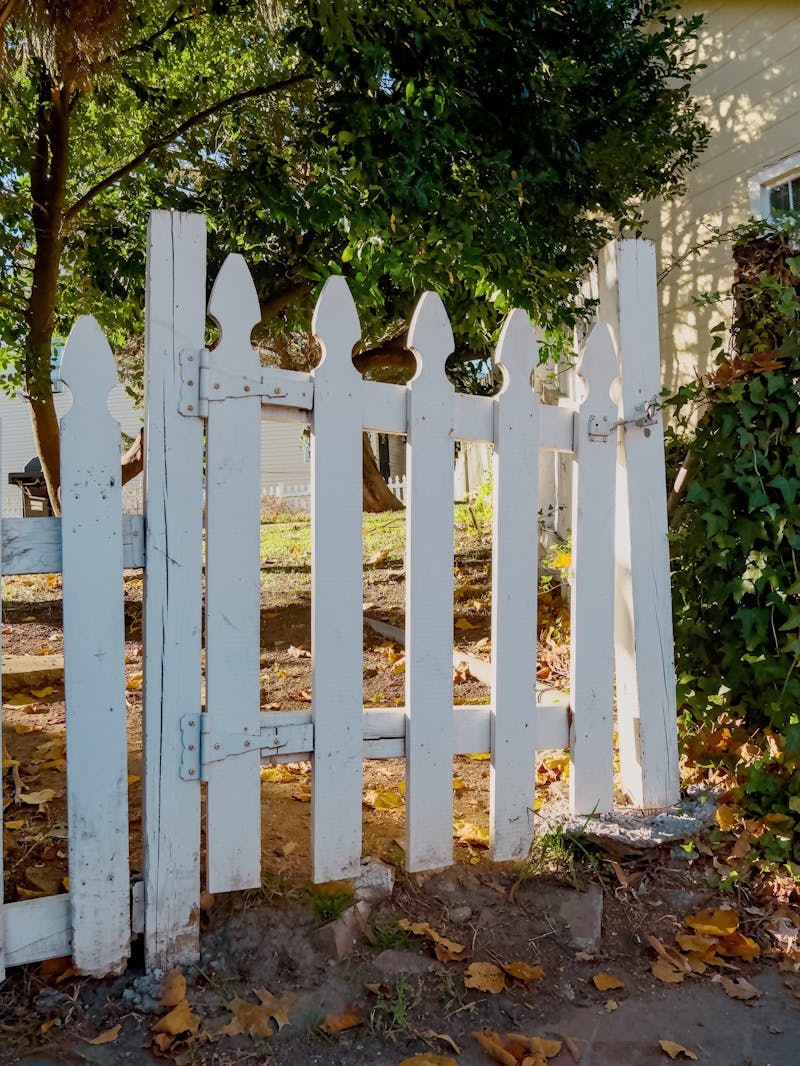
For a cedar dog-ear picket fence like this 60-foot run, standard dimensional lumber from any home center will work. Use heart-grade or premium cedar for pickets in contact with sprinklers or ground moisture — the tighter grain resists rot significantly better than knotty economy boards. Posts and rails should be pressure-treated regardless of climate.
- Cedar dog-ear picket 5/8 in x 5-1/2 in x 6 ft — the standard picket for this calculator's default dimensions; 96 required plus 5% waste
- Pressure-treated 4x4 in x 8 ft fence post — 9 posts needed; choose ground-contact rated (UC4B) for buried sections
- Pressure-treated 2x4 in x 16 ft fence rail — 8 boards for top and bottom rails across the full 60-foot run
- Quikrete fast-setting concrete (60 lb bag) — 18 bags for this job; fast-set formula works dry-pour in the hole without mixing
FAQ
How many pickets do I need for a 60-foot fence? With 5-1/2-inch-wide pickets and 2-inch gaps, you need 96 pickets for 60 linear feet. That accounts for the full run with no waste added — order 5–10% extra for cuts and defects.
What size picket is standard for a front yard fence? The most common size is 5/8 in x 5-1/2 in x 6 ft dog-ear cedar. That 5-1/2-inch face width is what the calculator uses as its default.
How far apart should fence pickets be spaced? For a traditional picket fence look, 1-1/2 to 2 inches is typical. Security fences often use zero gap. This build uses 2-inch gaps, which gives an open, decorative appearance.
How many fence posts do I need for 60 feet? At 8-foot post spacing, a 60-foot run requires 9 posts — 8 spans plus 1 endpoint. If your fence has corners or gate openings, add posts for each.
How many rails do I need for a 60-foot fence? Using 16-foot stock with 2 rails per section (top and bottom), you need 8 rail boards for 60 feet. A 6-foot-tall privacy fence typically adds a third middle rail.
How much concrete do I need to set fence posts? Plan on 2 bags of 60 lb concrete per post hole. For 9 posts on this 60-foot fence, that's 18 bags total. Post hole depth should be roughly one-third the post height plus 6 inches.
Should I add a waste factor when ordering pickets? Yes. A 5% waste factor is the standard minimum — that's about 5 extra pickets on a 96-picket order. If your fence has angled sections or you're cutting dog-ear patterns, bump it to 10%.
What wood species is best for front yard picket fences? Western red cedar is the most popular choice for decorative picket fences — it's naturally rot-resistant, lightweight, and holds paint or stain well. Pressure-treated pine costs less but is heavier and harder to work with.
Can I use the same formula for a privacy fence? Yes. Change the gap to 0 inches and the formula still works. A 60-foot privacy fence with 5-1/2-inch pickets and no gaps needs 131 pickets.
How do I account for a gate in my picket count? Subtract the gate opening width from your total fence length before calculating. A 4-foot gate opening on a 60-foot run means you calculate pickets for 56 feet, then add any gate pickets separately.
What's the difference between 'fence length' and 'linear feet of pickets'? Fence length is the ground distance the fence covers — 60 feet here. Linear feet of pickets is the total board footage consumed, which at 96 pickets also works out to 60 linear feet in this case because the pickets plus gaps exactly fill the run.