Short answer
An 8x8 spa pad using 8x8 inch pavers requires 152 pavers, including a 5% waste factor for cuts and breakage. That covers 64 square feet. You'll also need roughly 0.79 cubic yards of base gravel, 5.3 cubic feet of bedding sand, and 1 bag of polymeric joint sand.
How this calculator works
The core job is converting a pad's square footage into a paver count, then adding enough extra material that you don't run short mid-project.
Inputs used for this variant:
| Input | Value |
|---|---|
| Pad length | 8 ft |
| Pad width | 8 ft |
| Paver width | 8 in |
| Paver length | 8 in |
Step 1 — Total pad area in square inches
The calculator converts the pad dimensions from feet to inches before dividing, because paver sizes are specified in inches. An 8×8 ft pad equals 96×96 inches, or 9,216 square inches (equivalently, 64 sq ft × 144 = 9,216 sq in).
Step 2 — Pavers per square inch of coverage
Each 8×8 paver covers 64 square inches. Dividing 9,216 by 64 gives exactly 144 pavers — the theoretical minimum with zero waste and zero gaps.
Step 3 — Waste factor
The formula multiplies by 1.05 (5% waste) before rounding up to the nearest whole paver. Five percent is the industry standard for a straightforward rectangular layout. Diagonal or herringbone patterns typically warrant 10%. The extra 8 pavers cover: snapped corners during delivery, cuts at the perimeter, and any that crack when you chisel them to fit. Trying to return unused pavers is easier than driving back to the store because you're two short.
Ceiling rounding (always round up, never down) is deliberate — you never install a fractional paver.
Secondary outputs explained
Base aggregate (0.79 cubic yards): A 4-inch compacted gravel base is the minimum for any paved surface that will bear significant load. The formula multiplies pad area by 4/12 feet of depth and divides by 27 to convert cubic feet to cubic yards. For a spa pad, don't go thinner than 4 inches; many installers use 6 inches under hot tubs.
Bedding sand (5.3 cubic feet): A 1-inch screeded sand layer sits on top of the gravel and provides the level surface you set pavers into. Coarse concrete sand (not fine mason sand) is the right material here. The formula is simply pad area × (1/12).
Polymeric sand (1 bag): After pavers are set, polymeric sand fills the joints. One 50 lb bag covers approximately 80 square feet, so one bag handles the full 64 square foot pad with some left over for touch-ups after the first heavy rain activates the binder.
What the calculator does not include
- Excavation depth (you need to excavate enough for the base + sand + paver thickness, typically 6–8 inches total)
- Edge restraints — plan on enough to run all four sides (32 linear feet for an 8×8 pad)
- Compaction of the gravel base, which requires a plate compactor rental
Common mistakes and gotchas
Recommended materials
For a 64 square foot spa pad, every material below is available in quantities that match the outputs above. The pavers and gravel are sold individually or by the pallet at most home centers; buy a few extra even if the calculator says you need exactly 152.
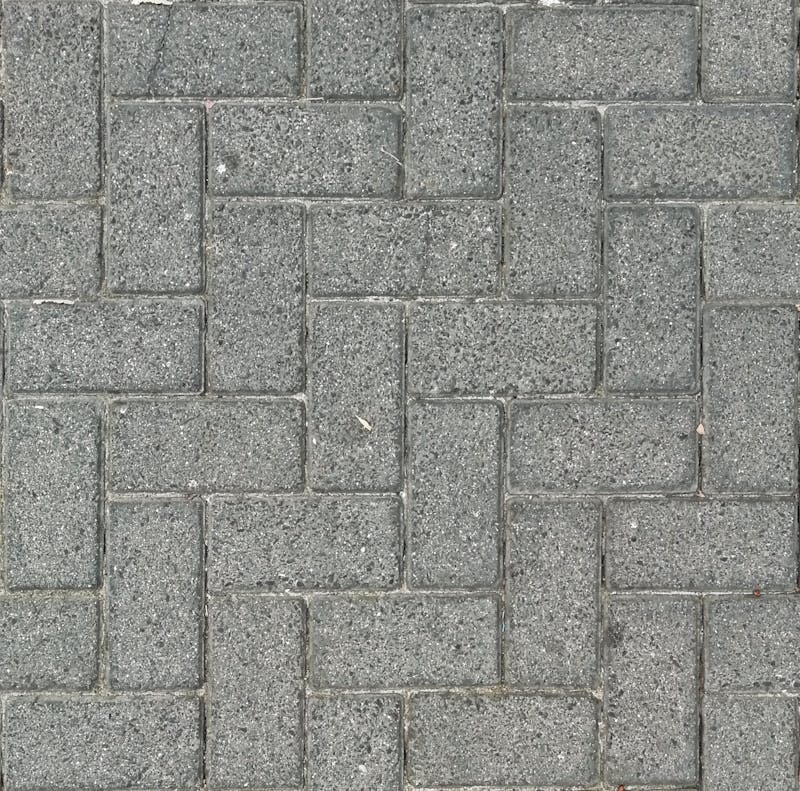
- Pavestone Holland 6x9 inch concrete paver — a comparable Pavestone concrete paver suitable for spa and patio applications; confirm 8×8 sizing with your local store's current stock
- QUIKRETE all-purpose gravel (50 lb bag) — for the 4-inch compacted base layer; you'll need roughly 18–20 bags for 0.79 cubic yards
- SAKRETE polymeric sand (50 lb) — one bag fills joints on the full 64 square foot pad; wet-activate per manufacturer instructions
- Pavestone EdgePro paver restraint (8 ft) — stake along all four sides to prevent perimeter creep under load; four 8 ft sections covers the pad perimeter
FAQ
How many 8x8 pavers do I need for an 8x8 spa pad? You need 152 pavers. That covers 64 square feet using 8x8 inch pavers with a 5% waste factor already included for cuts and breakage.
Why does the calculator give 152 and not 144? 144 pavers is the theoretical minimum — one paver per square foot with no gaps or cuts. The extra 8 pavers (roughly 5%) account for breakage during cutting, chipped corners, and pattern offsets. Ordering short is a costly mistake when you need to match a dye lot.
Do I need a base under a spa pad? Yes. A 4-inch compacted gravel base is standard and prevents settling under the weight of a filled spa, which can exceed 100 lbs per square foot. For an 8x8 pad you need about 0.79 cubic yards of base aggregate.
How thick should the sand setting bed be? 1 inch is the standard for a screeded sand setting bed under concrete pavers. For an 8x8 pad that works out to about 5.3 cubic feet of coarse bedding sand.
What is polymeric sand and how much do I need? Polymeric sand is a jointing sand mixed with a binder that hardens when wet, locking pavers in place and resisting weed growth. One 50 lb bag covers roughly 80 square feet, so a single bag is enough for a 64 square foot spa pad.
Should I use paver restraints (edging) around a spa pad? Restraints are strongly recommended. Without them the perimeter pavers migrate outward over time, especially under the cyclic load of people entering and exiting the spa. Stake plastic edging on all four sides before filling joints.
Can I skip the gravel base and set pavers directly on compacted soil? Not for a spa pad. A filled portable spa can weigh 3,000–5,000 lbs. Soil alone will compress unevenly and your pavers will shift or crack. Properly compacted gravel distributes that load.
What pattern works best for an 8x8 pad using 8x8 pavers? A running bond (offset rows by half a paver) gives good interlock and requires fewer cuts than herringbone. For a square pad with square pavers, a grid/stacked pattern also works and produces zero cuts.
How do I calculate how many pavers I need for a different size pad? Multiply pad length by pad width (in inches) to get total square inches. Divide by the paver's square inches, then multiply by 1.05 for waste, and round up. The calculator on this page handles that math automatically.
Are 8x8 concrete pavers strong enough for a hot tub? Standard concrete pavers rated for residential use (typically 8,000 psi or higher) handle the load fine when the base is properly prepared. The base and drainage, not paver strength, are the factors that cause most failures.
How long does it take to lay a 64 square foot paver pad? A single experienced installer can typically excavate, compact base, screed sand, and set pavers on a 64 square foot pad in one full day. A homeowner doing it for the first time should plan for a weekend.