Short answer
Filling 12 sonotubes at 10-inch diameter and 4 feet tall requires 0.97 cubic yards of concrete — effectively 1 cubic yard when you account for the built-in 10% waste factor. That translates to 44 bags of 80 lb mix or 59 bags of 60 lb mix. This is the answer for the common question: how much concrete for 12 sonotubes 10 inch diameter?
How this calculator works
The volume of a cylinder is π × r² × h. The calculator applies that formula to each sonotube, multiplies by the count, converts the result to cubic yards, and then adds a 10% waste factor to give you a purchase quantity rather than a theoretical minimum.
Breaking down the inputs:
- Diameter (10 inches): This is the inside bore of the tube — the number printed on the cardboard form. The calculator converts it to feet (10 ÷ 12 = 0.833 ft) before doing any math, then halves it to get the radius (0.417 ft).
- Height (4 feet): How tall is each tube? For deck footings, this is the buried depth of the sonotube, measured from the bottom of the hole to grade — or from the bottom of the tube to the top, if you're forming an above-grade column. Enter the actual tube length you're filling.
- Count (12): The number of identical tubes. All 12 are assumed to be the same diameter and height. If some tubes are a different size, run the calculator separately for each group.
The formula, step by step:
- Radius in feet: (10 ÷ 12) ÷ 2 = 0.4167 ft
- Cross-sectional area: π × 0.4167² = 0.5454 sq ft
- Volume per tube: 0.5454 × 4 ft = 2.182 cu ft
- Total for 12 tubes: 2.182 × 12 = 26.18 cu ft
- Convert to cubic yards: 26.18 ÷ 27 = 0.970 cu yards (net)
- Add 10% waste: 0.970 × 1.10 = 1.067 cu yards (purchase quantity)
The bag counts come from the secondary output formulas. Each 80 lb bag yields roughly 0.6 cubic feet of mixed concrete; each 60 lb bag yields about 0.45 cubic feet. The calculator divides the total cubic footage by the per-bag yield and rounds up — you can't buy a fraction of a bag.
What the output represents:
The main number (0.97 cu yd) is your order quantity — what you'd tell the ready-mix plant, or the number you use to shop for bags. The bag counts are the ceiling-rounded figures after including waste. Don't trim the waste factor. Sonotubes are occasionally slightly out of round, the bottom of the hole is never perfectly flat, and some concrete sticks to mixing equipment. Short fills leave the top of the footing porous and weak.
When to order ready-mix vs. buy bags:
Just under 1 cubic yard sits in an awkward zone. Ready-mix trucks typically charge a short-load fee under 3–4 yards, and most plants won't pour less than 1 yard. The math usually favors bags at this scale — 44 bags of 80 lb mix is a manageable, self-paced job. A rented electric mixer handles 2–3 bags per batch; expect to run about 15–20 batches for this project.
Adjusting for different tube heights:
The 4-foot height used here is common for frost-depth footings in moderate climates, but your local code may require deeper footings — 42 to 48 inches is typical in the northern U.S. If your tubes are 3.5 feet deep instead of 4, the total drops to roughly 0.85 cu yd. Use the calculator at the top of the page to enter your actual depth.
Common mistakes and gotchas
Subgrade is not flat — your "4 inch" slab is really 4 inches in the worst spot. The calculator assumes uniform thickness. In reality, gravel base settles unevenly between when you screed it and when the truck arrives. Pad the order by 10% just for this. If you're pouring on bare dirt over an existing slope, pad it 15%.
The truck driver's "yard" is generous, but only on round numbers. Ready-mix companies typically charge by quarter-yard increments and short-load fees apply under 3 yards. If your calculation comes to 3.6 yards, ordering 4 is rarely a waste — the alternative is a short-load fee that costs more than half a yard of concrete.
Bag math lies on small pours. Premix bag yields are theoretical, assuming you mix to spec. In practice you'll lose half a bag to splash, partial mixes, and one bag that "felt dry." For pours under 1 cubic yard, add 2 extra bags to the calculator's bag count. For under half a yard, add 3.
Sonotubes flare at the bottom. If you're setting tubes in soil and pouring, the bottoms expand outward 1–2 inches as concrete pushes against the wet earth. Add 5% to your sonotube total or accept that your last tube will be a little short.
Cold concrete needs more bags. Below 50°F, hydration slows and a "fast-setting" mix isn't fast anymore. Don't try to pour a footing the day before a freeze unless you're prepared to tarp and heat — you'll either lose the pour or end up adding a second batch of higher-PSI mix on top.
Footings under frost line aren't optional. If you're in a frost zone, the calculator's depth input must be deeper than your local frost line, or the structure will heave. Frost depth varies by region: Florida 0", Pennsylvania 36", Minnesota 48", Maine 60". Check your county's building code before pouring footings, not after.
Recommended materials
For a 12-tube sonotube pour, bagged concrete and a rented electric mixer is the practical approach. Fast-setting mix is worth the small price premium here — you can set a post anchor, check plumb, and move to the next tube without waiting. Rebar in each tube adds meaningful resistance to lateral loads, especially for tall or heavily loaded posts. A quality finishing tool isn't critical for buried footings, but if any tubes extend above grade to form visible columns, a float helps achieve a clean top surface.
- Quikrete 80lb fast-setting concrete mix — 44 bags fills all 12 tubes with waste buffer; fast-set formula allows post anchor placement within 20–40 minutes
- Concrete float (16-inch finishing tool) — useful for leveling the top of above-grade column forms before the concrete stiffens
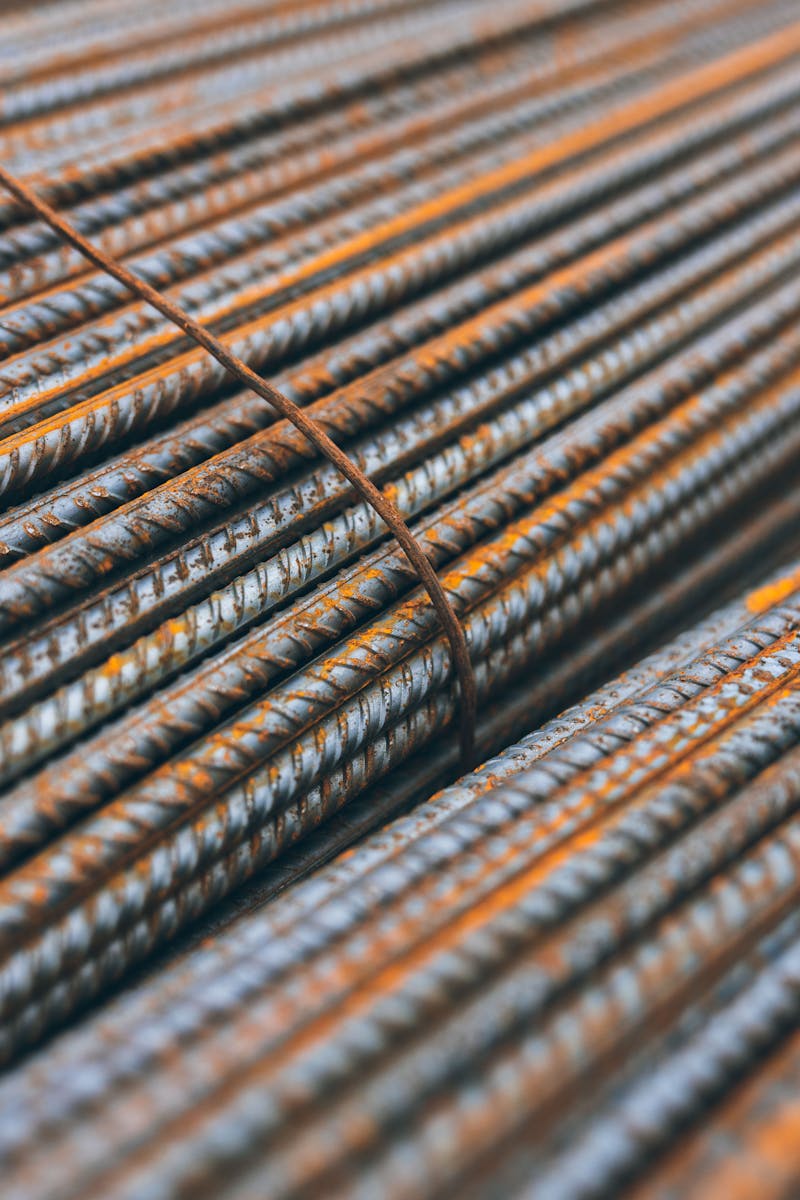
- #4 grade 60 rebar (20-foot length) — one stick per tube, cut to length, provides lateral reinforcement standard on most residential deck footings
FAQ
How many cubic yards of concrete do 12 sonotubes at 10-inch diameter need? At 4 feet tall, 12 sonotubes with a 10-inch diameter require 0.97 cubic yards of concrete. That accounts for a 10% waste factor. Round up to 1 full yard if ordering ready-mix.
How many bags of concrete do I need for 12 sonotubes? You need 44 bags of 80 lb mix or 59 bags of 60 lb mix to fill 12 sonotubes that are 10 inches in diameter and 4 feet deep. These counts include a 10% waste buffer.
What does a 10-inch sonotube mean — inside or outside diameter? Sonotube sizes are nominal inside diameter. A 10-inch tube has a 10-inch bore, which is what the calculator uses. The cardboard wall adds roughly 3/16 inch on each side and is not included in the concrete volume.
Can I mix 80 lb bags by hand for this job? 44 bags is heavy work, but manageable with a rented electric mixer. Plan about 15–20 minutes per batch. Mixing by hand in a wheelbarrow for that many tubes will fatigue most crews quickly.
Should I use fast-setting concrete for sonotubes? Fast-setting mix works well for sonotubes because you pour it dry into the hole, add water, and it sets in about 20–40 minutes. This lets you plumb posts quickly without holding them for hours.
Do sonotubes need rebar? For deck posts and similar loads, a single piece of rebar centered in the tube is standard — often a #4 bar running from near the bottom up through the post anchor. Structural columns may require a rebar cage per engineering specs.
What happens if I order too little concrete? A partial fill leaves an air gap at the top, which can collect water and accelerate freeze-thaw spalling. Always add at least 5–10% extra — this calculator already includes a 10% waste factor.
What height were these calculations based on? The default height used here is 4 feet per tube. If your tubes are a different height, use the calculator above to enter your actual depth — the cubic-yard total changes linearly with height.
Can I order ready-mix for under 1 cubic yard? Most ready-mix plants have a 1-yard minimum and charge a short-load fee below roughly 3–4 yards. For a job this size — just under 1 yard — bagged concrete usually makes more economic sense unless delivery logistics favor a truck.
How do I convert cubic yards to cubic feet for ordering bags? Multiply cubic yards by 27 to get cubic feet. For this job: 0.97 × 27 = 26.2 cubic feet. Divide that by the bag yield (0.6 cu ft for 80 lb bags) to get the bag count, then round up.
What is the typical spacing for sonotube footings on a deck? 6 to 8 feet on center is common for residential decks, depending on beam spans and local code. Always verify footing size and spacing with your local building department — frost depth requirements vary significantly by region.
How long should concrete cure in sonotubes before loading them? Standard concrete reaches adequate strength for framing loads in 3–7 days and full design strength at 28 days. Fast-setting mix allows light loading in 4 hours, but avoid heavy beam loads until 24 hours have passed.