Short answer
Six sonotubes at 12-inch diameter and 4 feet tall require 0.70 cubic yards of concrete — that's 32 bags of 80 lb mix or 42 bags of 60 lb mix when you include the standard 10% waste factor. If you searched for concrete for 6 sonotubes 12 inch diameter, those are your numbers.
How this calculator works
The inputs
The sonotube calculator takes three values:
- Diameter (inches): The inside diameter of the cardboard tube, not the outside. Sonotubes are sold by nominal inside diameter — a "12-inch" tube has a 12-inch pour cavity.
- Height (feet): The full length of the tube, from the bottom of the hole to the top of the form. If your tube extends 6 inches above grade and sits 42 inches below, height is 4 feet total.
- Count: How many identical tubes you're filling. This variant uses 6.
The formula
Concrete volume starts with the formula for a cylinder: π × r² × h.
The calculator converts diameter from inches to feet (12 ÷ 12 = 1 ft), then finds the radius (0.5 ft). It squares the radius (0.25), multiplies by π (3.14159), then multiplies by height in feet (4):
3.14159 × 0.25 × 4 = 3.1416 cubic feet per tube
Multiply by 6 tubes:
3.1416 × 6 = 18.85 cubic feet
Divide by 27 to convert cubic feet to cubic yards:
18.85 ÷ 27 = 0.698 cubic yards
With the 10% waste factor applied, that rounds to 0.70 cubic yards.
Converting to bags
Ready-mix concrete is sold by the cubic yard. Bagged concrete is measured by how much volume a single bag yields when mixed:
- An 80 lb bag yields approximately 0.6 cubic feet
- A 60 lb bag yields approximately 0.45 cubic feet
Multiply 0.70 cubic yards by 27 (cubic feet per yard) = 18.85 cubic feet needed.
- 18.85 ÷ 0.6 = 31.4 → round up to 32 bags of 80 lb mix
- 18.85 ÷ 0.45 = 41.9 → round up to 42 bags of 60 lb mix
Always round up — a partial bag can't complete the job, and running out mid-pour is worse than having one bag left over.
What the 10% waste factor covers
The 10% built into this calculation accounts for:
- Uneven hole bottoms: A hand-dug or auger-drilled hole is never a perfect cylinder. The concrete fills every irregularity.
- Spillage during mixing and pouring: Even with a mixer, some concrete ends up on the ground.
- Tube overfill: It's easier to overfill slightly than to leave a low spot.
- Mix variation: Bag yields vary slightly by moisture content and mix technique.
For 6 tubes at this size, you're not calling a ready-mix truck. Bagged concrete is the right call, and the 32 bags of 80 lb mix is the number to take to the store.
Tube height matters more than you think
Changing height has a direct linear effect on volume. If these tubes were 6 feet deep instead of 4, volume per tube increases by 50% — you'd need 48 bags of 80 lb mix instead of 32. Confirm your actual installed height before buying materials, especially if your frost line requires deeper footings than the 4-foot default.
Ordering ready-mix vs. bagged
At 0.70 cubic yards, bagged concrete is clearly the right call. Ready-mix trucks typically have a minimum order of 1 cubic yard, and many charge a short-load fee for orders under 3–5 yards. For jobs under 1 yard, bagged mix is cheaper and more convenient — you use only what you need with no truck scheduling required.
Common mistakes and gotchas
Subgrade is not flat — your "4 inch" slab is really 4 inches in the worst spot. The calculator assumes uniform thickness. In reality, gravel base settles unevenly between when you screed it and when the truck arrives. Pad the order by 10% just for this. If you're pouring on bare dirt over an existing slope, pad it 15%.
The truck driver's "yard" is generous, but only on round numbers. Ready-mix companies typically charge by quarter-yard increments and short-load fees apply under 3 yards. If your calculation comes to 3.6 yards, ordering 4 is rarely a waste — the alternative is a short-load fee that costs more than half a yard of concrete.
Bag math lies on small pours. Premix bag yields are theoretical, assuming you mix to spec. In practice you'll lose half a bag to splash, partial mixes, and one bag that "felt dry." For pours under 1 cubic yard, add 2 extra bags to the calculator's bag count. For under half a yard, add 3.
Sonotubes flare at the bottom. If you're setting tubes in soil and pouring, the bottoms expand outward 1–2 inches as concrete pushes against the wet earth. Add 5% to your sonotube total or accept that your last tube will be a little short.
Cold concrete needs more bags. Below 50°F, hydration slows and a "fast-setting" mix isn't fast anymore. Don't try to pour a footing the day before a freeze unless you're prepared to tarp and heat — you'll either lose the pour or end up adding a second batch of higher-PSI mix on top.
Footings under frost line aren't optional. If you're in a frost zone, the calculator's depth input must be deeper than your local frost line, or the structure will heave. Frost depth varies by region: Florida 0", Pennsylvania 36", Minnesota 48", Maine 60". Check your county's building code before pouring footings, not after.
Recommended materials
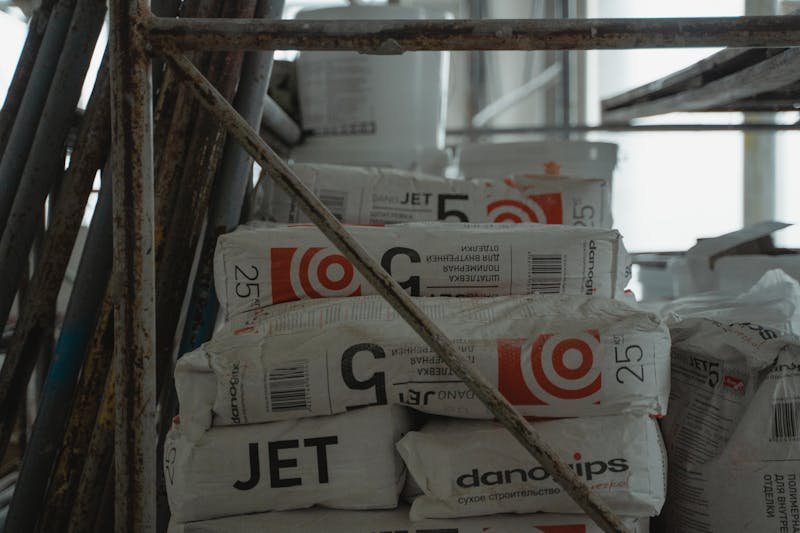
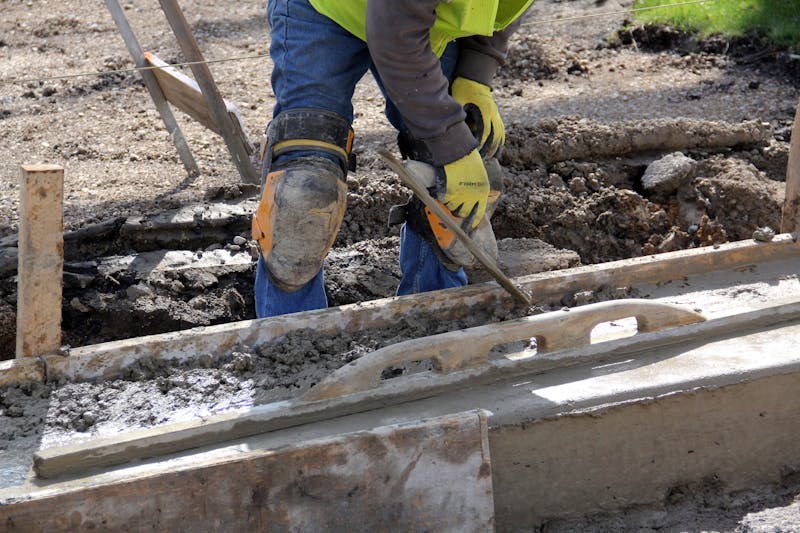
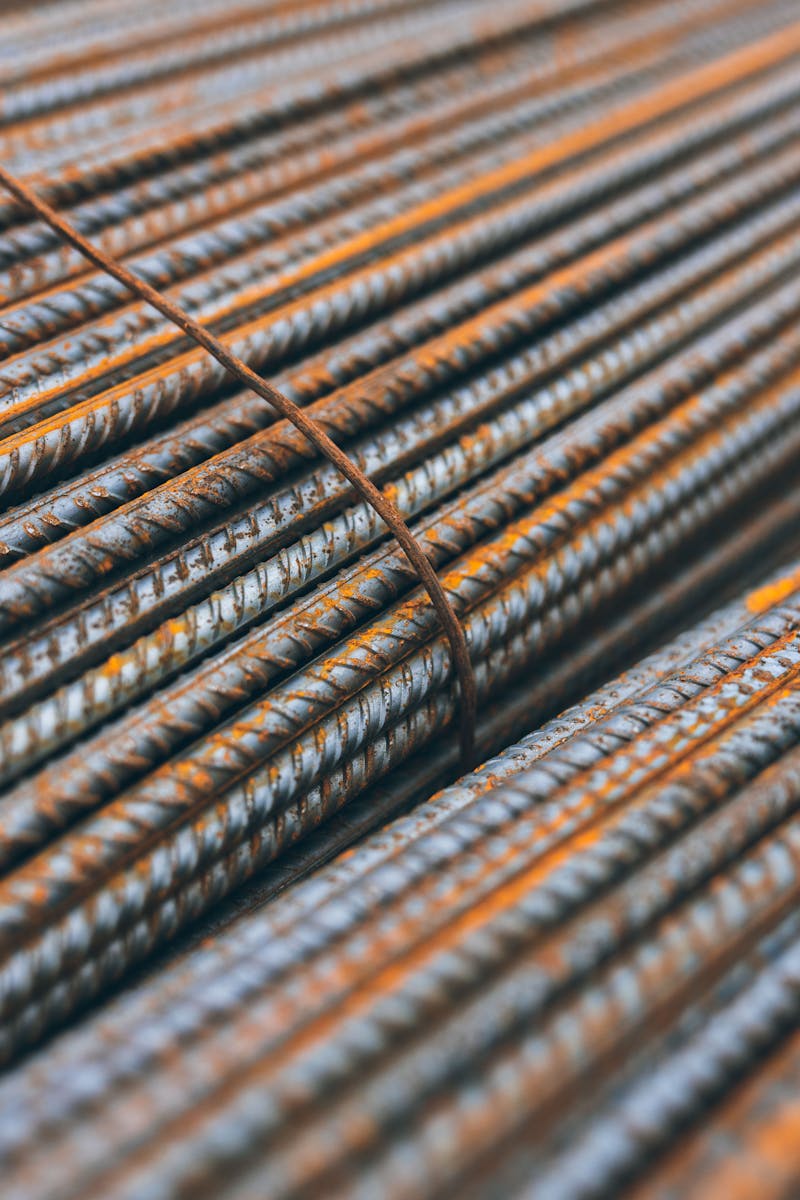
For a pour of this size — 32 bags of 80 lb mix across 6 tubes — choosing the right materials up front saves extra trips. Fast-setting mix lets you plumb and brace posts quickly, but standard mix gives you more working time if you're setting six posts solo. Vertical rebar keeps the column intact under lateral load, and a proper finishing float cleans up the top of each tube so post hardware seats level.
- Quikrete 80lb fast-setting concrete mix
- Concrete float (16-inch finishing tool)
- #4 grade 60 rebar (20-foot length)
FAQ
How many cubic yards of concrete do 6 sonotubes at 12-inch diameter and 4 feet tall require? Six 12-inch diameter sonotubes at 4 feet tall require 0.70 cubic yards of concrete. That rounds to 32 bags of 80 lb mix or 42 bags of 60 lb mix, including a 10% waste factor.
Should I add a waste factor when ordering concrete for sonotubes? Yes. A 10% waste factor is standard. Tubes are never perfectly round, the bottom of a drilled hole is rarely flat, and you will lose a small amount during mixing and pouring. Ordering short means a second trip to the store mid-job.
Can I use fast-setting concrete in sonotubes? Fast-setting mix works well in sonotubes, especially for deck posts. Pour the dry mix directly into the tube, add water, and it sets in 20–40 minutes. Do not use fast-setting mix on hot days if you need time to adjust post alignment.
How deep should a sonotube for a deck post be set? Local frost depth determines minimum depth — typically 36–48 inches in cold climates, sometimes as shallow as 12 inches in the Deep South. Check your local building code before digging; inspectors will measure.
Do I need to leave the cardboard tube in place after the concrete cures? Above grade, peel it off once the concrete has cured (usually 24–48 hours). Cardboard left in place will absorb moisture, rot, and can transfer that moisture to the concrete surface over time.
What diameter sonotube do I need for a typical 4×4 deck post? A 10-inch diameter tube is the common minimum for a 4×4 post; a 12-inch tube gives you a larger bearing surface and is required by many codes when post loads are significant. Always verify with your local building department.
How long does concrete take to cure in a sonotube? Concrete reaches roughly 70% of its rated strength in 7 days and full design strength at 28 days. You can typically set post hardware or apply light loads after 24–48 hours, but do not apply full structural loads until the 7-day mark at minimum.
Can I mix 80 lb bags in a standard bucket instead of a mixer? For 1–3 bags, bucket mixing works. At 32 bags for this project, rent a half-bag electric mixer or plan to spend several hours hand-mixing. Hand-mixing that volume leads to fatigue and inconsistent water ratios.
What happens if I add too much water to the concrete mix? Excess water weakens the finished concrete by increasing its water-to-cement ratio. It lowers compressive strength, increases shrinkage cracking, and reduces freeze-thaw resistance. Mix to a stiff, workable consistency — not soupy.
Do sonotubes need rebar? For deck footings carrying structural loads, one vertical rebar centered in the tube is standard practice and often code-required. Rebar prevents the column from splitting under lateral load. Tie the rebar to any horizontal footing steel before pouring.
How do I keep the sonotube from floating up when I pour concrete? Stake or brace the tube so it cannot move. Cardboard tubes are buoyant against wet concrete. Backfill a few inches of soil around the outside and tamp it firmly before you begin pouring.