Short answer
A 20x30 basement with 8-foot ceilings, 2 doors, and 4 windows requires 41 sheets of 4x8 drywall. That figure covers all four walls plus the ceiling and includes a 10% waste factor. You'll also need approximately 1,230 screws, 2,870 linear feet of joint tape, and 6 five-gallon buckets of joint compound.
How this calculator works
The drywall calculator takes five measurements and two opening counts, then runs them through a straightforward area formula before converting square footage to whole sheet counts.
The inputs
- Room length and width (20 ft × 30 ft here) define the floor footprint.
- Ceiling height (8 ft) sets the wall height for calculating wall area.
- Doors (2) and windows (4) reduce the total area by subtracting standard opening sizes—21 sq ft per door, 15 sq ft per window.
- Include ceiling toggles whether the ceiling area (length × width) gets added to the total. For this basement, it's on.
The wall area formula
The perimeter of a 20×30 room is 100 linear feet (2 × 20 + 2 × 30). Multiply by 8-foot height and you get 800 sq ft of raw wall surface. Subtract 2 doors (2 × 21 = 42 sq ft) and 4 windows (4 × 15 = 60 sq ft), and the net wall area is 698 sq ft.
Adding the ceiling
20 ft × 30 ft = 600 sq ft of ceiling. Net wall area (698) plus ceiling (600) equals 1,298 sq ft total—which matches the secondary output.
Converting to sheets
A 4×8 sheet covers 32 sq ft. Divide 1,298 by 32 and you get 40.56 sheets. The formula uses a ceiling function—always rounding up to the nearest whole sheet—which gives you 41 sheets before waste. The 10% waste factor is folded into that rounding; the formula divides by 32 and rounds up, which in practice absorbs typical cut waste on a room this size.
Secondary outputs explained
- Screws: 41 sheets × 30 screws = 1,230. Thirty screws per sheet is the industry standard for studs at 16 inches on center. Studs at 24 inches on center would drop that count noticeably, but 16 inches is the code minimum for most drywall installations.
- Joint tape: 41 × 70 linear feet = 2,870 ft. The 70-ft-per-sheet average accounts for the grid of seams across both walls and ceiling. It's an approximation—actual tape use depends on layout and how many sheets share a long tapered edge versus a butt joint.
- Joint compound: 41 ÷ 8 = 5.125, rounded up to 6 buckets. One 5-gallon bucket covers roughly 8 sheets across all three standard coats (tape, filler, finish). If you're skim-coating the entire surface or doing Level 5 finish, double that estimate.
What the output doesn't include
The calculator counts field material only. It doesn't estimate corner bead (count your outside corners and buy one piece per corner), primer, or paint. Corner bead is easy to forget on a basement job where columns or bulkheads create outside corners you wouldn't have in a simple rectangular room.
Adjusting for your specific basement
If your basement has a drop ceiling instead of drywall overhead, set "include ceiling" to 0. If you have a chase around ductwork or a soffit above the bar, measure those surfaces separately and add their sheet counts by hand. The room calculator assumes flat, rectangular surfaces—any geometry beyond that needs individual treatment.
Recommended materials
For a 40-sheet-plus basement job, product quality matters more than on a small repair. Lightweight drywall significantly reduces installer fatigue when you're lifting sheets to the ceiling, and quality compound sands cleaner, which cuts finishing time. The products below are standard contractor-grade materials matched to the quantities this calculator outputs.
- USG Sheetrock UltraLight 1/2 inch drywall (4x8) — about 25% lighter than standard board, which matters when you're hanging a 600 sq ft ceiling solo or with one helper
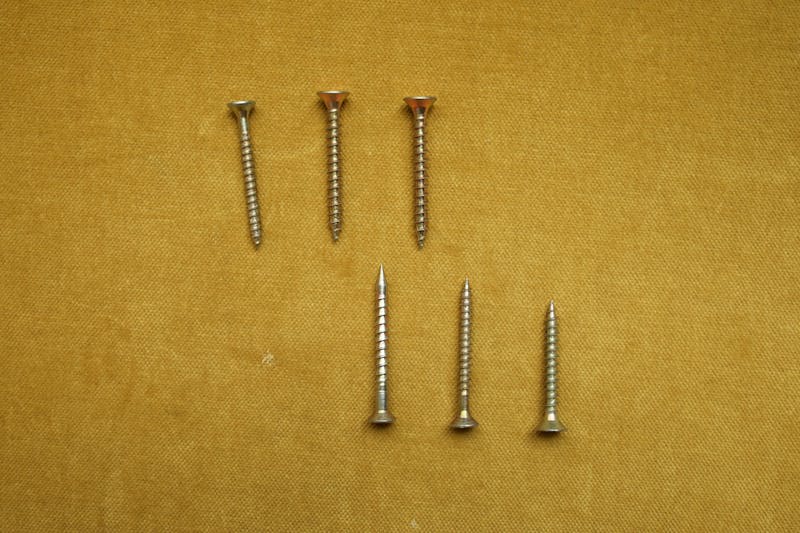
- Grip-Rite 1-5/8 inch drywall screws (5 lb box) — coarse-thread for wood framing; one 5 lb box covers roughly 400–500 screws, so buy three boxes for this job
- USG Sheetrock all-purpose joint compound (5 gallon) — all-purpose works for all three coats; pre-mixed and ready to apply straight from the bucket
- Saint-Gobain ADFORS FibaTape mesh joint tape (500 ft) — self-adhesive mesh tape speeds up the tape coat; one roll covers roughly 7 sheets, so plan on 6 rolls for this project