Short answer
A 100 ft × 3 ft perimeter bed mulched at 3 inches deep requires 2.78 cubic yards of mulch. That's 38 two-cubic-foot bags or a single bulk delivery (most suppliers minimum is 5 cubic yards, so you'd have leftover). The 300-square-foot bed area and roughly 1.1 tons of material weight are the other key numbers for planning delivery and spreading.
How this calculator works
The core formula converts three dimensions — bed length, bed width, and mulch depth — into cubic yards, which is the standard unit for ordering mulch in bulk. Here's what happens step by step.
Step 1: Convert depth from inches to feet
Mulch depth is entered in inches because that's how everyone actually thinks about it in the field ("I want 3 inches of mulch"). The formula divides by 12 to get feet: 3 ÷ 12 = 0.25 ft.
Step 2: Calculate cubic feet
Length × width × depth (in feet) gives you cubic feet. For this bed: 100 × 3 × 0.25 = 75 cubic feet.
Step 3: Convert to cubic yards
One cubic yard equals 27 cubic feet. Dividing: 75 ÷ 27 = 2.78 cubic yards. Mulch suppliers price by the cubic yard for bulk orders, so this is the number you quote when calling for delivery.
The 10% waste factor
The calculator adds a 10% buffer on top of the raw volume. Perimeter beds are rarely perfectly level — there are low spots that take more mulch, edges that spill during raking, and stems that need a small clear zone. The displayed result already includes this buffer, so don't add extra on your own.
Secondary outputs explained
- Bed area (300 sqft): Useful for buying weed barrier, which is sold by square footage. You'd need two rolls of a standard 3×50 ft fabric with a slight overlap.
- Bags needed (38 bags): Each standard bag is 2 cubic feet. The formula is simply total cubic feet ÷ 2, rounded up. This number is handy if you're buying retail and avoiding a delivery fee.
- Weight (1.1 tons): Based on ~800 lbs per cubic yard for typical shredded hardwood mulch. Rubber mulch, rock mulch, and wet freshly-chipped wood can run significantly heavier. Know the weight before loading a pickup — most half-ton trucks can handle 1 cubic yard at a time safely, not the full 2.78 yards in one trip.
- Truckload class (1 truck): At 2.78 cubic yards, you're well under the 5-cubic-yard benchmark for a standard landscaping delivery truck. If a supplier requires a 5-yard minimum, you either pay for more than you need or split the order with a neighbor.
Inputs to double-check before ordering
- Measure bed width in at least three places and average them. Perimeter beds that follow a house foundation or curved fence rarely have a uniform width.
- If the bed has an established plant layer, that root mass displaces some soil volume but not mulch depth — still measure from the soil surface.
- If you're re-mulching over old material, measure how much is already there. If you have 1.5 inches in place and want 3 inches total, only order for the 1.5-inch top-up, not the full depth.
Why cubic yards matter
Mulch sold in bulk — from a nursery, landscape supply yard, or delivered by truck — is always priced per cubic yard. Bags at big-box stores are in cubic feet. Mixing up the two units is the single most common ordering error. This calculator always outputs cubic yards so there's a single authoritative number to use with any supplier.
Recommended materials
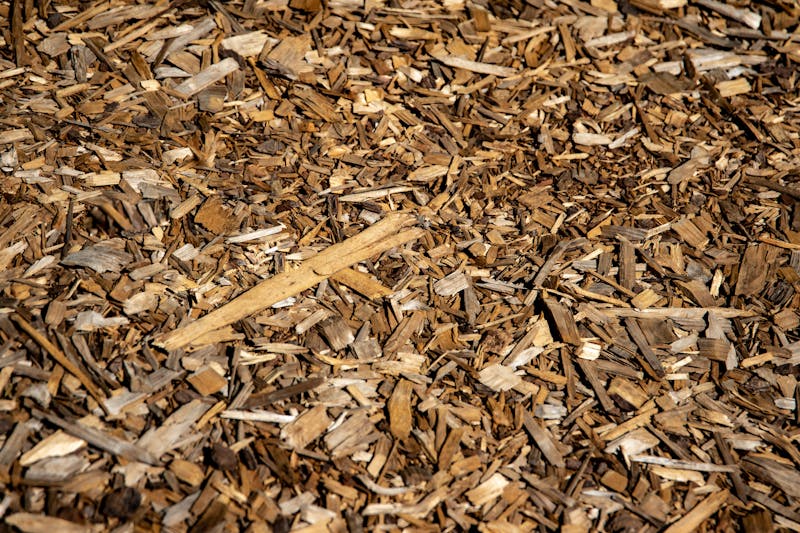
For a 300-square-foot perimeter bed you'll want mulch, edging to keep it contained, and optionally a weed barrier underneath. Cedar mulch is a solid general-purpose choice — it resists decay longer than basic hardwood chips and the natural oils deter some insects. A plastic landscape edging strip along the outer edge of the bed prevents mulch from migrating into turf, which reduces the amount you need to replenish each season. If the bed has light weed pressure now, laying fabric before you spread mulch will make a measurable difference by year two.
- Vigoro cedar mulch (2 cubic ft bag) — buy 38 bags for this bed; stack-and-carry in a standard car
- Master Mark plastic landscape edging (20 ft x 5 in) — five sections covers a 100 ft run exactly; stakes every 3 ft
- ECOgardener premium weed barrier landscape fabric (3x50 ft) — two rolls with slight overlap covers the full 300 sqft bed area
FAQ
How many cubic yards of mulch do I need for a 100x3 perimeter bed at 3 inches deep? You need 2.78 cubic yards. That rounds up to 38 standard two-cubic-foot bags or fits comfortably in one bulk delivery (which typically runs 5 cubic yards minimum).
Why does the calculator add a waste factor? A 10% waste factor accounts for uneven ground, mulch that spills during spreading, and slightly deeper coverage around plant stems. Skipping it is the most common reason people run short on a second pass.
How many 2-cubic-foot bags cover a 300-square-foot bed at 3 inches? 38 bags. One cubic yard equals 27 cubic feet, so 2.78 cubic yards is about 75 cubic feet total, and each bag holds 2 cubic feet — giving you 37.5, rounded up to 38.
Is bulk mulch or bagged mulch cheaper for this size job? At roughly 300 square feet, you're right on the fence. Bulk is usually cheaper per cubic yard once you factor in delivery, but 38 bags can be carried in an SUV or pickup and avoids a minimum-order surcharge from suppliers.
What mulch depth is right for a perimeter bed? 3 inches is the standard recommendation — deep enough to suppress weeds and retain moisture, shallow enough not to smother shallow roots. Go 2 inches for fine mulch like shredded hardwood, 4 inches for coarser wood chips.
How much does 2.78 cubic yards of mulch weigh? About 1.1 tons (2,200 lbs) using the industry average of 800 lbs per cubic yard for typical hardwood mulch. Wet mulch or dense materials like rubber mulch will weigh more.
Can I put weed barrier under the mulch in a perimeter bed? Yes, and it significantly reduces re-mulching frequency. Lay the fabric first, cut X slits for existing plants, then apply mulch on top. Without fabric, weed seeds from above can still germinate in the mulch layer itself.
How do I handle mulch around tree trunks along the perimeter? Keep mulch at least 3–4 inches away from any trunk or stem. Piling mulch against bark traps moisture and promotes rot and pest damage — the so-called "mulch volcano" is one of the most common landscape mistakes.
How often should I replenish mulch in a perimeter bed? Most organic mulches break down in 1–2 years. Check depth each spring — if you're below 2 inches, top off. You rarely need a full replacement; adding 1 inch usually restores coverage and color.
Does the shape of the bed change the calculation? Only if the bed isn't rectangular. For a curved perimeter bed, measure the total length of the run and the average width, then use those numbers. The formula (length × width × depth ÷ 12 ÷ 27) still applies.