Short answer
A 10x10 square garden bed mulched to 3 inches deep needs 0.93 cubic yards of mulch. That's 13 standard 2-cubic-foot bags (the kind sold at home centers), and it covers 100 square feet with the recommended 10% waste buffer already applied.
How this calculator works
The core math converts a three-dimensional volume into the unit bulk mulch is actually sold in: cubic yards. Here's the chain of conversions in plain English.
Step 1 — Calculate bed area. Multiply bed length by bed width in feet. A 10 ft × 10 ft bed gives you 100 square feet. Nothing surprising there.
Step 2 — Convert depth from inches to feet. Mulch depth is entered in inches because that's how contractors and homeowners think about it ("I want 3 inches of mulch"), but the volume formula needs consistent units. Divide the depth in inches by 12: 3 ÷ 12 = 0.25 ft.
Step 3 — Calculate cubic feet. Multiply area × depth in feet: 100 × 0.25 = 25 cubic feet.
Step 4 — Convert to cubic yards. One cubic yard = 27 cubic feet. Divide: 25 ÷ 27 = 0.9259 cubic yards, which the calculator displays as 0.93 cu yd.
Step 5 — Apply the 10% waste factor. The raw volume gets multiplied by 1.10 to account for settling, edge overspray, and the uneven terrain around plant crowns. This is already baked into the 0.93 figure you see, so you're buying a comfortable margin without over-ordering significantly.
The secondary outputs translate that cubic yard figure into the formats you'll actually encounter at the store or when calling a landscape supplier:
- 2-cubic-foot bags: One cubic yard contains 13.5 of these bags. The calculator rounds up to the nearest whole bag (13 bags for 0.93 cu yd) so you don't come up short. Note that the ceiling function means you may end up with a small amount left over — that's fine.
- Tons: Mulch density varies by material, but shredded hardwood and cedar average around 800 lbs per cubic yard when freshly bagged. At 0.93 cu yd, you're looking at about 0.37 tons (roughly 740 lbs). This matters if you're hauling it yourself.
- Truckload-class: Bulk landscape suppliers sell by the cubic yard and deliver in loads that typically cap out around 5 cubic yards per trip. For 0.93 cu yd, you need less than a fifth of one delivery truck — which is why bagged product makes more sense at this scale.
What the calculator doesn't do: It doesn't account for sloped beds (where you'd technically need slightly more material for even coverage), mulch ring calculations around individual trees, or the volume consumed by dense root masses at the soil surface. For a simple flat rectangular bed like a 10×10, the formula is accurate within the margin the waste factor already covers.
When to override the waste factor: If you're mulching a perfectly flat, edged bed with no plants in it yet, you could get away with 0% waste. If the bed has a lot of large perennials or shrubs whose crowns displace mulch volume, bump the effective depth down by half an inch in your mental math.
Recommended materials
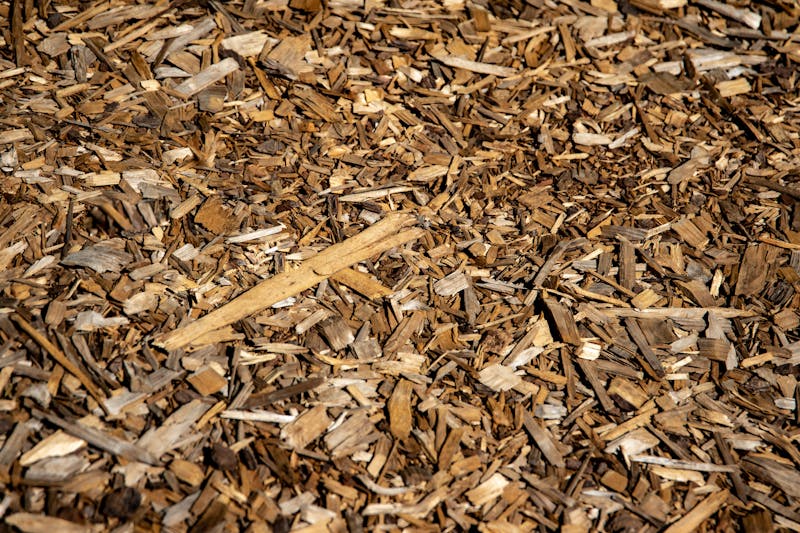
For a 10×10 bed, bagged cedar or hardwood mulch is the practical choice — bulk delivery minimums aren't worth it under about 3 cubic yards. Pair the mulch with a clean plastic or steel edging border to keep it from migrating onto the lawn, and consider a weed barrier fabric if you're mulching a brand-new bed over bare soil (as opposed to an established planting where roots make fabric impractical).
- Vigoro cedar mulch (2 cubic ft bag) — Cedar repels some insects and breaks down more slowly than plain wood chips; you'll need 13 bags for this project.
- Master Mark plastic landscape edging (20 ft x 5 in) — A 10×10 bed has 40 linear feet of perimeter; two rolls covers it with overlap to spare.
- ECOgardener premium weed barrier landscape fabric (3x50 ft) — One roll covers 150 sq ft, enough for a 10×10 bed with room for overlap at the edges.
FAQ
How many cubic yards of mulch does a 10x10 bed need at 3 inches deep? A 10x10 bed (100 sq ft) mulched to 3 inches requires 0.93 cubic yards. That rounds up to 13 standard 2-cubic-foot bags from a home center.
How many bags of mulch do I need for a 10x10 area? At 3 inches deep, you need 13 bags of 2-cubic-foot mulch for a 10x10 bed. One cubic yard equals 13.5 of those bags, so 13 bags gets you right to the calculated volume — the formula already includes a 10% waste factor.
Should I use a 2-inch or 3-inch mulch depth? Three inches is the standard recommendation for most landscape beds. Two inches can work for fine-textured mulch around annuals, but anything shallower dries out quickly and loses weed suppression within a single season.
What does a 10% waste factor account for? The 10% buffer covers settling, uneven spreading at bed edges, and small gaps around plant stems. Mulch compresses after a rain, so what looks like 3 inches on application day often measures 2.5 inches by midsummer.
How heavy is 0.93 cubic yards of mulch? Wood mulch runs roughly 800 lbs per cubic yard, so 0.93 cubic yards weighs about 740 lbs. A standard half-ton pickup can carry one cubic yard safely; anything more requires a full-ton truck or a delivery order.
Can I order a bulk delivery for a 10x10 bed? Most bulk suppliers have a 1-cubic-yard minimum and charge a flat delivery fee. For a single 100-sq-ft bed, bagged mulch from a home center is usually more cost-effective once you factor in that delivery fee.
Does mulch depth change how much I need for the same square footage? Yes, linearly. At 2 inches you'd need 0.62 cubic yards for a 10x10 bed; at 4 inches you'd need 1.23 cubic yards. Every inch of depth adds 0.31 cubic yards per 100 square feet.
Should I put landscape fabric down before mulching? Landscape fabric makes sense under decorative rock or gravel, but under wood mulch it tends to degrade in three to five years and tangle with roots. A thick layer of mulch alone suppresses weeds effectively in most planting beds.
How often do I need to replenish mulch? Wood mulch breaks down and typically needs a 1-inch refresh each spring. A full reapplication to 3 inches is usually only necessary every two to three years, depending on how fast it decomposes in your climate.
What is truckload-class and do I need a full truck? The calculator flags how many 5-cubic-yard bulk truckloads your project approaches. At 0.93 cubic yards, you're well under one truckload — bagged product is the practical choice here.