Short answer
A 10x10 bed filled to 4 inches deep requires 1.24 cubic yards of mulch. That's 17 standard 2-cubic-foot bags, weighing close to half a ton total. This is a one-truckload job if you're ordering bulk delivery.
How this calculator works
The calculator takes three inputs: bed length (ft), bed width (ft), and desired mulch depth (inches). It converts those into a single cubic-yard number—the unit mulch is sold in bulk and quoted in for delivery.
The core formula:
(length × width × (depth ÷ 12)) ÷ 27
Breaking that down:
length × widthgives you square footage. For this bed: 10 × 10 = 100 sq ft.- Dividing depth in inches by 12 converts it to feet, so you're working in consistent units. At 4 inches: 4 ÷ 12 = 0.333 ft.
- Multiplying area by depth-in-feet gives cubic feet: 100 × 0.333 = 33.33 cu ft.
- Dividing by 27 converts cubic feet to cubic yards: 33.33 ÷ 27 = 1.23 cubic yards.
The calculator then applies a 10% waste factor to reach the 1.24 cy figure. That buffer covers mulch that spills, gets kicked out of the bed, or compresses before you're done spreading. On a small job like this, skipping that buffer would leave you visibly short in spots.
Secondary outputs the calculator provides:
- Bed area: 100 sq ft. Useful for pricing mulch services and buying landscape fabric—fabric is sold by square foot coverage.
- Bags needed: 17. Based on the standard 2-cubic-foot bag (the most common retail size). The conversion is 1 cubic yard = 13.5 bags, so 1.24 × 13.5 = 16.7, rounded up to 17.
- Weight: ~0.49 tons (just under 500 lbs). This matters if you're having bulk mulch delivered to a driveway or if you're loading a vehicle yourself. Mulch averages 800 lbs per cubic yard, though that varies by moisture content and species—wet mulch can hit 1,000 lbs/yd.
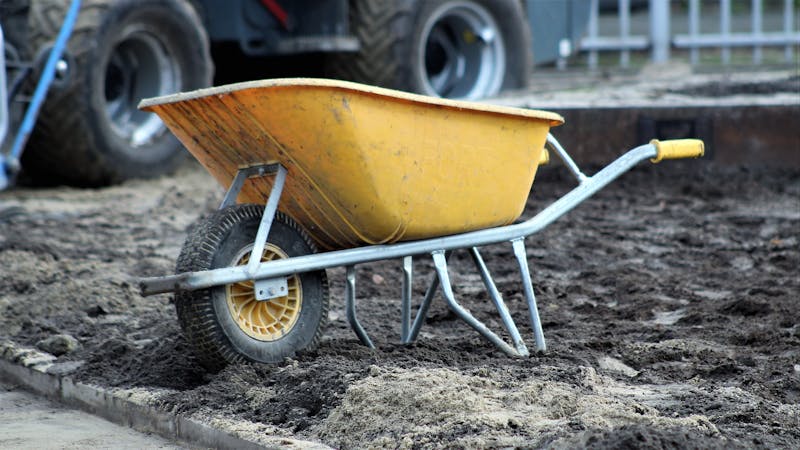
- Truckload class: 1 truck. Bulk mulch deliveries are typically quoted in 5-cubic-yard increments. At 1.24 yards, you're well under a single truck—buying bags is almost certainly cheaper than paying for a minimum-order bulk delivery.
When 4 inches is the right depth:
Four inches is the standard recommendation for a fresh installation where you're starting from bare soil or building a new bed. It gives enough mass to block weed germination, retain soil moisture through summer heat, and insulate roots. If you're refreshing an existing mulched bed, 2 inches is usually enough to restore coverage without building up excessive depth that can harbor fungal growth or create a barrier against rainfall.
What the formula doesn't account for:
The calculator assumes a flat, rectangular bed. It doesn't adjust for: plants already in the ground that displace some mulch volume (minor on a 10x10 bed), a pronounced slope that might require slightly more material on the uphill edge, or the mulch ring you should leave clear around each plant's stem. On a 10x10 bed with a few perennials, the 10% buffer typically covers these edge cases.
Recommended materials
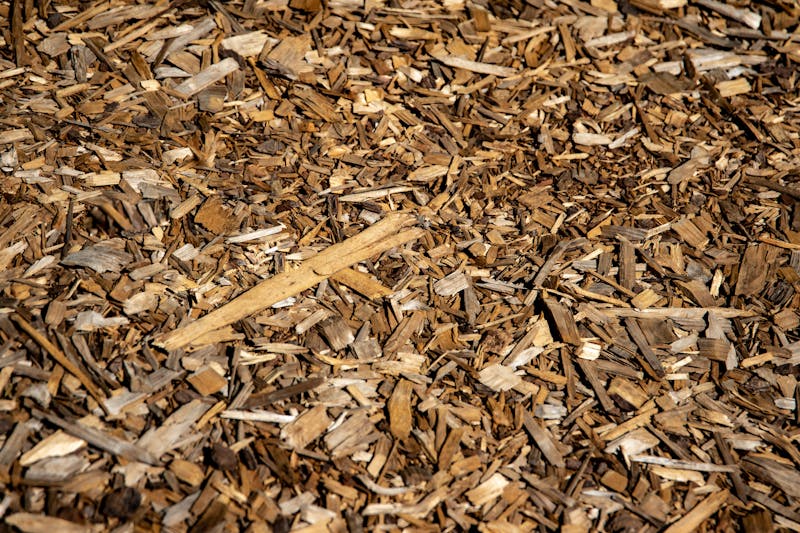
For a 10x10 bed at this scale, bagged mulch is the practical choice—you can load 17 bags into an SUV in two trips without waiting on delivery scheduling. Cedar mulch holds up slightly longer than basic hardwood and has a cleaner look through the first season. Pair it with a weed barrier under the bed and solid edging to keep mulch in place and reduce your annual maintenance time.
- Vigoro cedar mulch (2 cubic ft bag) — the standard retail bag; plan on 17 for this project, grab 18 to have a spare
- Master Mark plastic landscape edging (20 ft x 5 in) — locks mulch inside the bed and keeps lawn grass from creeping in; one roll covers the perimeter of a 10x10 bed
- ECOgardener premium weed barrier landscape fabric (3x50 ft) — one roll more than covers a 100 sq ft bed; cut to fit around plants before laying mulch
FAQ
How many cubic yards of mulch do I need for a 10x10 bed at 4 inches deep? A 10x10 bed at 4 inches deep requires 1.24 cubic yards of mulch. That rounds up to 17 standard 2-cubic-foot bags. Add a 10% buffer to account for settling and uneven spreading.
How many bags of mulch do I need for a 10x10 area? At 4 inches deep, you need 17 bags of the standard 2-cubic-foot size. If you're only doing 2 inches deep, you'd need 9 bags. Always round up to the next full bag.
Is 4 inches of mulch too deep? Four inches is on the high end but appropriate for a fresh installation where the bed has no existing mulch. Once you've established a base, 2–3 inches annually is enough to refresh coverage. Going deeper than 4 inches can suffocate plant roots and invite rot.
How heavy is 1.24 cubic yards of mulch? At roughly 800 lbs per cubic yard, 1.24 cubic yards weighs about 990 lbs—just under half a ton. A standard pickup truck can handle that in one load, but confirm your truck's payload rating first.
What's the difference between bulk mulch and bagged mulch for a project this size? At 1.24 cubic yards, bagged mulch is practical—17 bags are easy to transport in a car or SUV. Bulk delivery is more economical at 3+ cubic yards. For a single 10x10 bed, bags save you a delivery fee.
Should I put down landscape fabric before mulching? Fabric suppresses weeds but can impede water and air movement to roots if left in place for years. Use it under mulch in paths and around non-perennial plantings. In active perennial beds, regular mulch depth alone usually handles weeds adequately.
How do I account for mulch settling over the season? Organic mulch like wood chips and cedar can compress 15–20% over a season. The built-in 10% waste factor in this calculator partially accounts for settling, but installing at the full 4-inch target depth gives you headroom for that loss.
What type of mulch works best for a fresh installation? Shredded hardwood and cedar are the most common choices. Cedar has natural insect-repelling oils that help it resist decomposition slightly longer than basic hardwood mulch. Pine bark nuggets work well in sloped beds since the larger pieces resist washing out.
Can I use this same calculation for irregular-shaped beds? No—this formula assumes a rectangle. For irregular beds, break the area into rough rectangles or triangles, calculate each section separately, and add them together before dividing by 27 to get cubic yards.
How often should I replenish mulch? Organic mulch decomposes and needs topping off once a year, typically in spring. A 1–2 inch refresh is enough once the base layer is established. You rarely need to strip and start over unless the old mulch has become compacted or moldy.