Short answer
To refresh a 20×10 ft garden bed with a 2-inch layer of mulch, you need 1.23 cubic yards—that's 17 bags of 2-cubic-foot mulch after applying a 10% waste factor. The bed covers 200 sqft and the total material weighs roughly half a ton. This answers the question: how much mulch to refresh a 200 sqft garden bed with a 2-inch layer.
How this calculator works
The calculation converts three measurements—bed length, bed width, and mulch depth—into cubic yards, which is how bulk mulch is sold and how bagged mulch quantities are quoted on the shelf.
The core formula
Volume (cubic yards) = (length × width × depth in feet) ÷ 27
For this bed: 20 ft × 10 ft × (2 ÷ 12) ft = 33.33 cubic feet. Divide by 27 to convert cubic feet to cubic yards: 1.23 cubic yards.
The ÷ 12 step converts the depth input from inches to feet before multiplying, since length and width are already in feet. The ÷ 27 step converts cubic feet to cubic yards (1 cubic yard = 3 ft × 3 ft × 3 ft = 27 cubic feet).
Waste factor
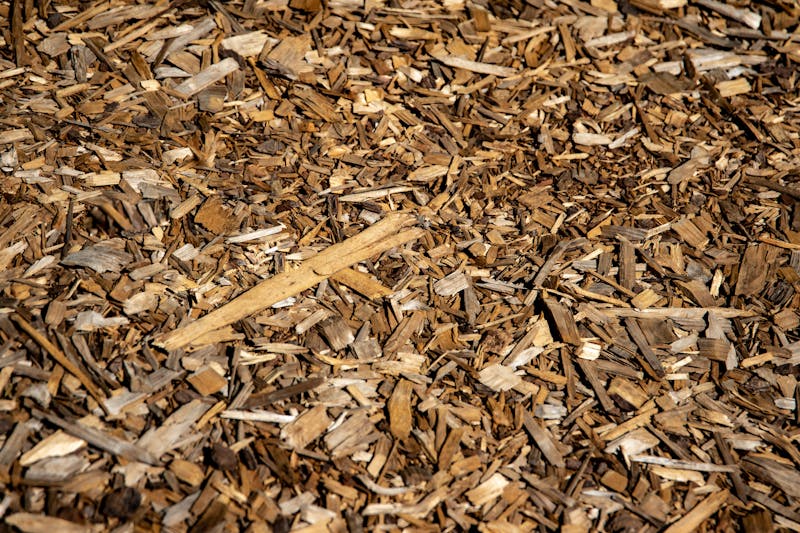
The calculator applies a 10% waste factor by default. Mulch doesn't lay perfectly—you lose material to clumping, overspray when spreading, and the natural settling that happens within the first few weeks. Ten percent is a standard buffer for landscape installations. For irregular bed shapes with tight corners or planting clusters, 15% is more realistic.
Secondary outputs explained
- Bed area (sqft): 20 × 10 = 200 sqft. Useful for cross-checking with product coverage charts on bag labels, which often list square footage at a given depth.
- Bags needed: The calculator divides total cubic yards by the volume of a standard 2-cubic-foot bag. One cubic yard = 27 cubic feet, so one cubic yard fills 13.5 bags of 2 cubic feet each. At 1.23 cubic yards (with waste), that rounds up to 17 bags.
- Tons: Mulch density varies by species and moisture content, but 800 lbs per cubic yard is a reliable midpoint for typical shredded hardwood or cedar. This bed's worth of mulch weighs roughly 0.49 tons—under half a ton.
- Truckload class: Landscape suppliers typically deliver mulch in 5-cubic-yard minimum loads. At 1.23 cubic yards, you're well under one delivery load, confirming bagged mulch is the right buy here.
What the output represents
The main output—1.23 cubic yards—is the volume after the waste factor. Use this number when ordering bulk mulch by the yard. Use the bag count (17) when buying at a home improvement store. Both reflect the same amount of material; bags are just pre-measured and easier to transport for small jobs.
Input tips
- Measure length and width at the widest points of an irregular bed, then adjust down by 10–15% if the bed has curved or tapered sections.
- Measure existing mulch depth before setting the depth input. If 1 inch of old mulch remains, you only need to add 1–2 inches of new material, not a full 2–3 inches from scratch.
- Depth input is in inches. Don't enter "2.5" thinking it means 2 feet 5 inches—it means 2.5 inches.
When to use a different shape
This calculator uses a rectangular bed. For circular beds, the correct formula is π × radius² × (depth ÷ 12) ÷ 27. For L-shaped or kidney-shaped beds, split the bed into rectangles, calculate each section, and add the results.
Recommended materials
For a job this size, bagged mulch and basic edging supplies are all you need. Cedar mulch resists decay longer than hardwood alternatives and the natural oils deter some insects. Pair it with a weed barrier if the bed has persistent weed pressure, and install edging to keep mulch from migrating onto lawn or hardscape.
- Vigoro cedar mulch (2 cubic ft bag) — buy 17 bags to cover this bed with a 10% buffer already included
- Master Mark plastic landscape edging (20 ft x 5 in) — one roll handles the full 20 ft long side; pick up two for a complete perimeter
- ECOgardener premium weed barrier landscape fabric (3x50 ft) — one roll covers 150 sqft; for 200 sqft, buy two and overlap seams by 6 inches
FAQ
How many cubic yards of mulch does a 200 sqft bed at 2 inches need? A 200 sqft bed mulched 2 inches deep requires 1.23 cubic yards. With a 10% waste factor for settling and spillage, budget for 1.36 cubic yards.
How many bags of mulch do I need for a 200 sqft bed? You need 17 bags of 2-cubic-foot mulch. That accounts for a 10% waste factor on top of the raw 1.23 cubic yards the bed requires.
Is 2 inches enough mulch for a refresh, or should I go deeper? Two inches works well as a refresh layer when 1–2 inches of old mulch already remain. If you're starting with bare soil, 3 inches is the standard recommendation for weed suppression and moisture retention.
How much does 1.23 cubic yards of mulch weigh? Mulch averages around 800 lbs per cubic yard, so 1.23 cubic yards weighs roughly 985 lbs—just under half a ton. Keep that in mind if you're hauling it in a pickup truck.
What is the difference between buying bags and buying bulk mulch? Bulk mulch sold by the cubic yard is almost always cheaper per unit than bagged mulch once you need more than 2–3 cubic yards. For a job this size—1.23 cubic yards—bagged mulch is usually the more practical choice since most suppliers have a 1-yard minimum for delivery.
Do I need to remove old mulch before adding a fresh layer? Not necessarily. If the existing layer is less than 2 inches and not matted or diseased, rake it loose and top it off. If it's matted or showing fungal growth, remove it before refreshing.
What depth should I mulch around trees? Keep mulch 3–4 inches away from tree trunks and no deeper than 3–4 inches total. Piling mulch against bark traps moisture and causes rot—the so-called "mulch volcano" kills trees slowly.
How do I convert cubic yards to cubic feet? One cubic yard equals 27 cubic feet. Multiply your cubic yard figure by 27 to get cubic feet, then divide by 2 to find how many 2-cubic-foot bags you need.
Will a standard pickup truck hold 1.23 cubic yards of mulch? Yes. A full-size pickup truck bed holds roughly 2–3 cubic yards when loaded to the top of the rails, so 1.23 cubic yards fits easily in a single load.
How often should I refresh mulch in a garden bed? Most organic mulches decompose within 1–2 years. Check each spring—if the layer is under 1 inch, it's time to refresh. A 2-inch refresh once a year is typical for high-visibility beds.
Does mulch depth affect weed control? Yes. Below 2 inches, many weed seeds still germinate. At 3 inches, you block most annual weeds. Pairing mulch with a weed barrier fabric cuts through-growth further without relying on extra depth.