Short answer
A 20×4 ft flowerbed mulched to 3 inches deep needs 0.74 cubic yards of mulch—roughly 10 two-cubic-foot bags. That covers 80 square feet and weighs about 590 lbs. For "how much mulch for a 20x4 flowerbed 3 inches deep," 10 bags is your shopping number.
How this calculator works
The formula behind this result is straightforward volume math, with one unit conversion built in.
The core formula
Mulch volume is calculated in cubic yards because that's how bulk landscape material is sold and delivered. Here's the chain:
- Bed area in square feet: length × width = 20 × 4 = 80 sq ft
- Depth in feet: 3 inches ÷ 12 = 0.25 ft
- Volume in cubic feet: 80 × 0.25 = 20 cubic feet
- Convert to cubic yards: 20 ÷ 27 = 0.74 cubic yards
There are 27 cubic feet in a cubic yard (3 ft × 3 ft × 3 ft = 27). That division at the end is why mulch quantities always feel smaller than you expect when someone quotes cubic yards.
The 10% waste factor
The calculator applies a 10% waste factor by default. In practice this accounts for uneven spreading, slight over-depth at plant bases, and material lost when you open bags. For a small bed like this one, the raw number is 0.74 cy and the waste-adjusted recommendation rounds to 1 full cubic yard (or 10 bags). If you're buying in bags, rounding up to the next whole bag is the practical application of that buffer.
Secondary outputs explained
- 80 sq ft (bed area): Useful for sizing landscape fabric or edging before you buy.
- 10 bags: The most actionable number for a hardware store run. Calculated as 0.74 × 13.5 bags/cu yd = 9.99, rounded up to 10.
- 0.30 tons: Helpful if you're renting a utility trailer or need to know axle load. Mulch runs about 800 lbs per cubic yard; at 0.74 yards that's roughly 592 lbs.
- 1 truckload class: At 0.74 cubic yards, one small pickup load or one bag delivery covers this job completely.
What the calculator does not account for
The formula treats the bed as a uniform rectangle at a uniform depth. Real flowerbeds often have tapered edges, curved borders, or raised centers. If your bed is significantly irregular, measure it in sections and add the volumes together, or add 10–15% manually on top of the calculator output.
Mulch depth also matters agronomically, not just volumetrically. The calculator will give you the math for any depth you input, but deeper is not always better. At 3 inches, you hit the sweet spot: enough depth to block weed germination (which generally needs light from about 1–2 inches down) without smothering root zones or creating the anaerobic moisture pocket that promotes crown rot on perennials.
Why cubic yards instead of cubic feet?
Bagged mulch is sold in cubic feet (almost always 2 cu ft per bag), but bulk mulch from a nursery or landscape supplier is quoted per cubic yard. The calculator outputs cubic yards as the primary unit because it's the denomination that matters for pricing comparisons between bulk and bagged. When you're shopping bags, use the bag count; when you're calling a supplier, use the cubic yard number.
Inputs the calculator uses
- Bed length (ft): The longer dimension of your rectangular bed. For non-rectangular shapes, break the bed into rectangles and run the calculator for each section.
- Bed width (ft): The shorter dimension.
- Mulch depth (inches): Entered in inches because that's how depth is specified on mulch bags and in landscape plans. The calculator converts it internally to feet before computing volume.
Common mistakes and gotchas
Recommended materials
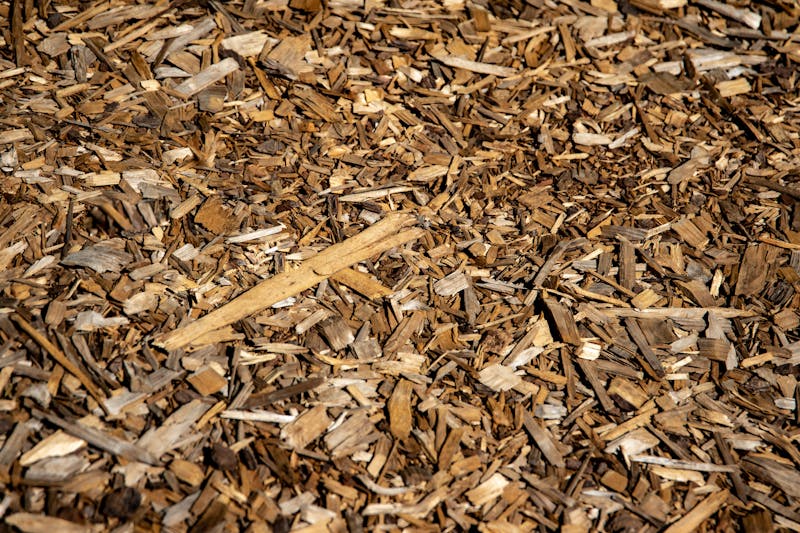
For a job this size, bagged mulch is easier than scheduling a bulk delivery. Cedar mulch holds up well in narrow flowerbeds where foot traffic and wind can displace lighter materials. A weed barrier under the mulch extends your weed suppression if the bed is a permanent planting, and plastic landscape edging keeps the mulch contained at the border instead of migrating onto the lawn.
- Vigoro cedar mulch (2 cubic ft bag) — you'll need 10 bags for this bed; cedar's natural oils slow breakdown and deter insects
- Master Mark plastic landscape edging (20 ft x 5 in) — a single 20 ft roll fits this bed's length exactly and keeps mulch from creeping onto grass
- ECOgardener premium weed barrier landscape fabric (3x50 ft) — 3 ft wide matches a 4 ft bed with minimal trimming; use two overlapping strips for full coverage
FAQ
How many cubic yards of mulch does a 20x4 flowerbed need at 3 inches deep? A 20×4 ft bed at 3-inch depth requires 0.74 cubic yards. With a 10% waste factor, budget for a full cubic yard to be safe.
How many bags of mulch do I need for a 20x4 flowerbed? You need 10 bags of 2-cubic-foot mulch to cover a 20×4 ft bed at 3 inches deep. That's based on the conversion of 1 cubic yard equaling 13.5 two-cubic-foot bags.
Is 3 inches the right mulch depth for a flowerbed? Three inches is the standard recommendation for most flowering perennials and annuals. Go shallower than 2 inches and you lose weed suppression; go deeper than 4 inches and you risk suffocating shallow roots and trapping excess moisture.
How many square feet is a 20x4 flowerbed? A 20×4 ft flowerbed covers 80 square feet. That's the number used to calculate volume when combined with the 3-inch depth.
How heavy will 0.74 cubic yards of mulch be? Wood mulch weighs roughly 800 lbs per cubic yard, so 0.74 cubic yards comes to about 590 lbs. A standard pickup truck bed can handle 1,000–1,500 lbs, so a single load is fine.
Can I use one truckload for this job? Yes. At 0.74 cubic yards, you're well under the 5-cubic-yard threshold that defines a small bulk delivery load. A pickup truck or a single delivery from a landscaping supplier will cover this bed.
What's the difference between buying bags vs. bulk mulch for this size job? At 0.74 cubic yards, bagged mulch is usually more practical and cost-competitive once you factor in delivery fees on small bulk orders. Bulk makes more financial sense once you exceed 3–4 cubic yards.
Should I put landscape fabric under the mulch? Fabric under mulch is debated. It suppresses weeds well in the first two seasons but tends to degrade and complicate planting changes over time. For a flowerbed you replant seasonally, skip the fabric; for a permanent shrub border, it's worth considering.
Does mulch depth affect how often I need to reapply? Yes. A 3-inch layer typically lasts one full season before decomposition and weathering thin it out. Plan on topping up by 1 inch each spring rather than stripping and replacing the entire bed.
What type of mulch works best for flowerbeds? Shredded hardwood and cedar bark are the most common choices. Cedar resists decay and insects slightly better than pine. Fine-shredded mulch knits together and resists wind displacement better than chunk bark in narrow beds like a 20×4 layout.