Short answer
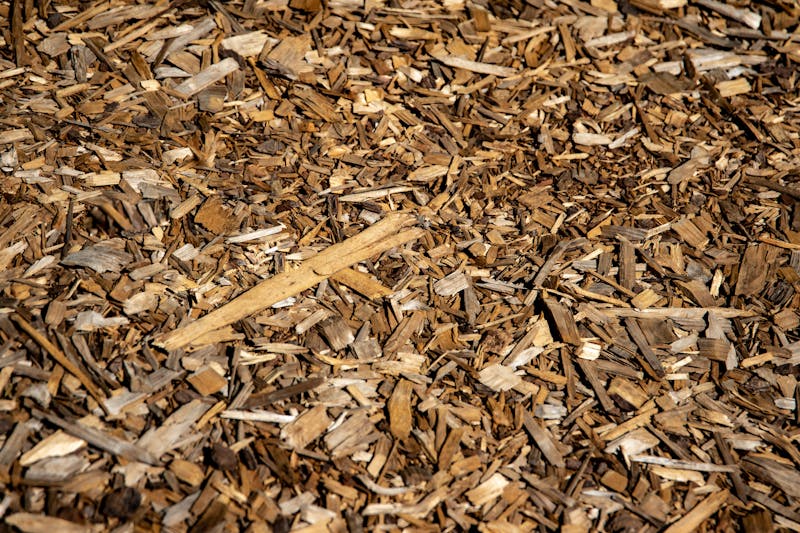
A 20×8 ft flowerbed filled to 3 inches deep needs 1.48 cubic yards of mulch — equal to 20 standard 2-cubic-foot bags or roughly 0.59 tons. That's well within a single pickup-truck load and sits at the upper end of the bagged-vs.-bulk break-even point for most local suppliers.
How this calculator works
The math behind a mulch estimate is straightforward, but each step has a practical reason.
The core formula
The calculator converts your bed dimensions into cubic yards — the unit bulk suppliers and most bag labels reference:
(length × width × depth in feet) ÷ 27
For this bed: 20 ft × 8 ft × 0.25 ft (3 inches converted to feet) = 40 cubic feet. Divide by 27 to get 1.48 cubic yards.
The 27 in the denominator is simply the number of cubic feet in one cubic yard (3 ft × 3 ft × 3 ft = 27 cu ft). Any time you're buying or ordering material by the yard, this conversion is the one constant you need.
Inputs explained
- Length (ft): The longest dimension of the bed, measured at ground level along the outer edge.
- Width (ft): The perpendicular measurement. For irregularly shaped beds, break the area into rectangles, calculate each separately, and add the results.
- Depth (in): How deep you want the finished mulch layer. The calculator accepts inches, then divides by 12 internally to produce a decimal foot value. Three inches is the landscape industry standard — deep enough to suppress most annual weeds and retain soil moisture through dry spells.
Waste factor
A 10% waste factor is included in the recommended order quantity. On a flat, rectangular bed with clean edges this might feel conservative, but on real jobs the waste adds up quickly: mulch falls outside the edging while you're spreading, depth is uneven in corners, and you'll want extra material where the bed meets pavement or a lawn edge. Buying 10% extra on a 20-bag order means buying 2 additional bags — cheap insurance against running short mid-project.
Secondary outputs
Once the cubic yard figure is set, the calculator derives three other useful numbers:
- Bags needed: Multiply cubic yards by 13.5 to get the number of 2-cubic-foot bags. This bed needs 20 bags (1.48 × 13.5 = 19.98, rounded up). The ceiling function rounds up because you can't buy a fraction of a bag.
- Tons: Multiply cubic yards by approximately 800 lbs (a common figure for medium-moisture bark or wood chip mulch), then divide by 2,000 to convert to tons. This bed weighs about 0.59 tons — useful if you're hauling it yourself and need to check your truck's payload rating.
- Truckload class: Bulk mulch deliveries are typically priced in increments around 5 cubic yards. At 1.48 yards, you're well under a single truckload — but check with your local supplier, as many have a 1- or 2-yard minimum for delivery.
Bed area
The calculator also outputs the raw square footage (160 sq ft for this bed). That number matters independently: it tells you how much landscape fabric to buy if you're laying a weed barrier beneath the mulch, and it's the figure suppliers sometimes use to quote material on the phone before confirming depth.
Adjusting for unusual bed shapes
The calculator handles rectangular and square beds natively. For curved or kidney-shaped beds, measure the longest length and widest width, calculate the rectangle, then subtract roughly 20–30% for the missing corners. It's faster than measuring and usually accurate enough for a mulch order. For complex shapes, a string-and-stake perimeter measurement combined with the square footage formula (perimeter method) gives a more precise area.
When to recalculate
Mulch settles and decomposes. A freshly laid 3-inch layer may compact to 1.5–2 inches by the following spring. Run the calculator again each year with your actual current depth (measured with a ruler) and the topping-off depth you want to reach. You'll typically need 1–2 inches of refresh material, which for a 160 sq ft bed means 0.5–0.99 cubic yards or 7–14 bags.
Recommended materials
For a bed this size, bagged cedar or hardwood mulch is the most convenient choice — 20 bags load cleanly into any mid-size or full-size vehicle without specialist equipment. Laying a weed barrier first cuts your annual maintenance noticeably, and clean plastic edging keeps the mulch from creeping into adjacent lawn or pathways.
- Vigoro cedar mulch (2 cubic ft bag) — aromatic, naturally insect-resistant bark that stays in place well on sloped beds
- Master Mark plastic landscape edging (20 ft x 5 in) — flexible enough to follow gentle curves; one 20-ft section covers the full front edge of this bed
- ECOgardener premium weed barrier landscape fabric (3x50 ft) — non-woven, UV-stabilized, and heavy enough to stay put while you spread mulch on top; a 3×50 roll covers the full 160 sq ft with a few overlapping seams to spare
FAQ
How much mulch does a 20x8 flowerbed need at 3 inches deep? A 20×8 ft bed at 3 inches deep requires 1.48 cubic yards of mulch. That rounds to 20 standard 2-cubic-foot bags. If you're ordering bulk, one partial yard is enough — but many suppliers have a 1-yard minimum.
Should I buy bags or order bulk mulch for this size bed? At 1.48 cubic yards, you're right on the line between bagged and bulk. Bulk is typically cheaper per cubic yard once you're past 2 yards, but many suppliers charge a delivery fee that erases the savings at this quantity. If you have a pickup truck, buying 20 bags from a home center is often the most practical choice.
What does the 10% waste factor cover? The 10% buffer accounts for uneven ground, settling after the first rain, and areas where you overlap edges. It's not mandatory for flat, well-prepped beds, but it prevents a second trip to the store.
How deep should mulch be in a flowerbed? Three inches is the standard recommendation for weed suppression and moisture retention. Go below 2 inches and weeds push through easily. Go above 4 inches around the base of perennials and shrubs and you risk crown rot and pest harborage.
How many 2 cubic ft bags make a cubic yard? One cubic yard equals 27 cubic feet, so it takes 13.5 two-cubic-foot bags to fill one cubic yard. For this bed you need 1.48 cubic yards, which means 20 bags (13.5 × 1.48 = 19.98, rounded up to 20).
How heavy is 1.48 cubic yards of mulch? Mulch weighs roughly 800 lbs per cubic yard when moderately moist. At 1.48 cubic yards, expect around 1,185 lbs — just under 0.6 tons. Wet mulch can run considerably heavier, so factor that in if you're loading a vehicle yourself.
Do I need landscape fabric under the mulch? Fabric is optional but effective. It blocks perennial weeds while letting water and air pass through. Skip it around shallow-rooted annuals that you replant each season — pulling and replacing fabric annually isn't worth the effort. For a permanent ornamental bed with shrubs or perennials, fabric under 3 inches of mulch significantly cuts weeding time.
How often should I refresh mulch in a flowerbed? Most mulch breaks down and compacts to roughly half its original depth in 12–18 months. Plan to add 1–2 inches of fresh mulch each spring to maintain the full 3-inch layer and keep weed suppression effective.
Will 1.48 cubic yards fit in a standard pickup truck? Yes, easily. A full-size pickup bed holds 2–3 cubic yards of mulch, and a mid-size holds about 1.5–2 yards. One load is sufficient for this project with room to spare.
How do I convert square feet to cubic yards for mulch? Multiply the bed area (sq ft) by the depth in feet, then divide by 27. For this bed: 160 sq ft × 0.25 ft (3 in) ÷ 27 = 1.48 cubic yards. The calculator runs this math instantly for any dimensions you enter.