Short answer
A 50×4 ft perimeter bed mulched to 3 inches deep needs 1.85 cubic yards of mulch, which equals 25 bags of 2-cubic-foot mulch. That covers 200 square feet and weighs roughly 1,480 lbs. For a job this size, bagged product is usually more practical than scheduling a bulk delivery.
How this calculator works
The core calculation converts a rectangular bed's dimensions into cubic yards — the unit landscape suppliers and bag labels both use.
The inputs
Bed length (ft): The long dimension of the bed, measured in a straight line. For a long perimeter bed like this one, that's 50 feet.
Bed width (ft): How wide the bed runs from the edge of the lawn or hardscape back toward the structure or fence line. Here it's 4 feet.
Mulch depth (in): How deep you want the finished mulch layer. Three inches is the industry standard for weed suppression and moisture retention in most climates.
The formula
The calculator runs this sequence:
- Area: 50 ft × 4 ft = 200 square feet
- Convert depth to feet: 3 in ÷ 12 = 0.25 ft
- Volume in cubic feet: 200 × 0.25 = 50 cubic feet
- Convert to cubic yards: 50 ÷ 27 = 1.852 cubic yards
- Apply 10% waste factor: 1.852 × 1.10 = ~2.04 cubic yards ordered
The waste factor exists because mulch never spreads perfectly. You'll lose a bit to the bag, a bit to uneven ground, and a bit to areas where you spread slightly thicker than intended. Buying 10% extra avoids a second trip.
The secondary outputs
Bag count: One cubic yard equals 13.5 bags of 2-cubic-foot mulch. The calculator takes the main output (including waste) and rounds up — you can't buy a fraction of a bag. Result: 25 bags.
Weight: At approximately 800 lbs per cubic yard for typical shredded wood mulch, 1.85 cubic yards comes to about 0.74 tons (1,480 lbs). If you're loading bags into an SUV or truck bed, that's worth noting — a half-ton truck will handle it, but you're near the practical limit for one trip with 25 bags.
Truckload class: Landscape suppliers commonly deliver bulk mulch in 5-cubic-yard increments. At 1.85 cubic yards, you'd need 1 delivery, but you'd be paying for capacity you don't use. For quantities under 3 cubic yards, bagged mulch usually wins on cost and convenience unless your supplier has a low delivery minimum.
When these numbers shift
The only variables that change the output are length, width, and depth. A 50×4 bed at 2-inch depth drops to 1.23 cubic yards (17 bags). At 4-inch depth, it climbs to 2.47 cubic yards (34 bags). If your bed isn't a perfect rectangle — curves, a corner cutout, a gap for a tree trunk — measure the area as best you can and subtract any sections that won't receive mulch.
One more nuance: this calculator assumes a flat bed. If the ground slopes significantly, the actual volume you need will be slightly higher at the low end. For a 50-foot run with any notable grade, add 5–10% on top of the standard waste factor.
Recommended materials
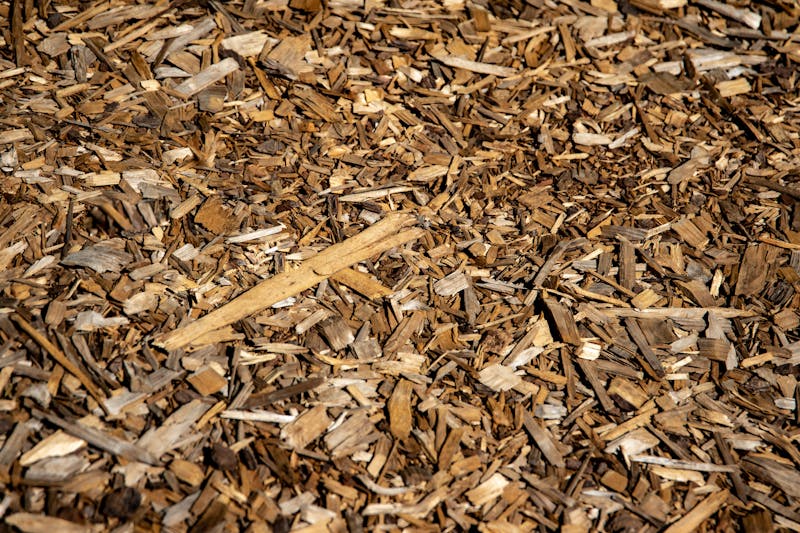
For a 50×4 perimeter bed, cedar mulch is a strong default — it resists compaction, repels some insects, and stays looking fresh through the season. Laying landscape fabric underneath reduces weed pressure and can extend the time between re-mulching cycles. Edging along the lawn side keeps the mulch from migrating and gives the bed a clean line.
- Vigoro cedar mulch (2 cubic ft bag) — a cost-effective choice for perimeter beds; you'll need 25 bags for this project
- ECOgardener premium weed barrier landscape fabric (3x50 ft) — a single roll covers the full 50-foot length of this bed at 3 ft wide; trim or overlap to fit 4 ft
- Master Mark plastic landscape edging (20 ft x 5 in) — you'll need three sections to edge the 50-foot run; holds mulch in place and defines the bed boundary cleanly
FAQ
How many cubic yards of mulch does a 50x4 bed need at 3 inches deep? A 50×4 ft bed at 3-inch depth requires 1.85 cubic yards. That accounts for 200 square feet of bed area converted to volume using the standard cubic-yard formula.
How many 2-cubic-foot bags of mulch do I need for a 50x4 bed? You need 25 bags of 2-cubic-foot mulch. One cubic yard equals 13.5 of those bags, and 1.85 cubic yards × 13.5 rounds up to 25.
Should I add a waste factor when buying mulch? A 10% waste factor is built into the calculator. It accounts for uneven spreading, material left in the bag, and minor depth variation across the bed.
Is 3 inches the right mulch depth for a perimeter bed? Three inches is the standard recommendation for most landscape beds. It suppresses weeds and retains moisture without smothering shallow plant roots. Go 2 inches around the base of shrubs and trees to prevent rot.
How much does 1.85 cubic yards of mulch weigh? At roughly 800 lbs per cubic yard, 1.85 cubic yards weighs about 1,480 lbs — just under three-quarters of a ton. Keep that in mind if you're hauling it yourself in a pickup.
Can one delivery truck handle this order? Yes. Most landscape supply trucks deliver in 5-cubic-yard increments, so 1.85 cubic yards fits comfortably in a single load. You may be better off buying bagged mulch for a job this size unless delivery minimums favor bulk.
What's the difference between bulk mulch and bagged mulch for this bed? Bagged mulch is typically more expensive per cubic yard but easier to handle, transport, and store. For 1.85 cubic yards, 25 bags is a reasonable one-trip purchase from a home center with no minimum delivery requirement.
Does the type of mulch affect how much I need? No — the volume calculation stays the same regardless of mulch type. However, denser materials like rock mulch weigh significantly more than wood mulch, which matters for transport and handling.
How do I measure my bed accurately before ordering? Measure the longest and widest points of the bed in feet. For irregular shapes, break the bed into rectangular sections, calculate each one, and add the results together.
How often should I replenish mulch in a perimeter bed? Most wood mulches break down and compact over one to two seasons. Check depth each spring — if it's below 2 inches, top it off to get back to 3 inches.