Short answer
An 8x8 garden bed mulched to 3 inches deep requires 0.59 cubic yards of mulch — call it 8 bags of standard 2-cubic-foot bagged mulch with a 10% waste factor already built in. That's well under a single bulk truckload, so bagged mulch from a home center is almost always the right move for a bed this size.
How this calculator works
The core calculation converts three dimensions into a single cubic-yard volume, then applies a 10% waste factor and translates that number into whatever buying unit you actually use at the store or yard.
The inputs
- Bed length (ft): The longest horizontal dimension of the bed. For a round or oval bed, use the diameter as the length and width — or use the full extent in both directions. An 8-foot-diameter circle is entered as 8 × 8 here.
- Bed width (ft): The shorter horizontal dimension, or the same as length for a square or circular bed.
- Mulch depth (in): How deep you want the finished mulch layer. Three inches is the target for most ornamental and vegetable beds. Don't go thinner expecting the same weed suppression — below 2 inches, weed seeds in the top of the mulch get enough light to germinate.
The formula
The calculator runs this sequence:
- Area: length × width = 8 × 8 = 64 square feet
- Volume in cubic feet: 64 × (3 ÷ 12) = 64 × 0.25 = 16 cubic feet
- Volume in cubic yards: 16 ÷ 27 = 0.593 cubic yards (there are 27 cubic feet in one cubic yard)
- Waste-adjusted volume: 0.593 × 1.10 = 0.652 cubic yards used internally to size the bag count upward
For a true circle with an 8-foot diameter, the exact area is π × 4² ≈ 50.3 square feet — about 22% less than the 64-square-foot square equivalent. The calculator uses the rectangular formula because most round beds have curved borders that still receive mulch, and the conservative estimate prevents a second trip to the store. If your bed is genuinely a perfect circle with clean edging, multiply your result by about 0.79 to get a tighter figure.
The secondary outputs
- Bags needed: The calculator divides the cubic-yard volume by 1 bag per 2 cubic feet (13.5 bags per cubic yard) and rounds up. For this bed that's 8 bags. Never round down on bags — a half-bag shortfall means thin coverage right where you need it most.
- Tons: At roughly 800 lbs per cubic yard for typical hardwood or cedar mulch, this bed needs about 0.24 tons — useful if you're pricing bulk delivery where suppliers quote by weight.
- Truckload class: Bulk mulch deliveries typically come in 5-cubic-yard loads. This bed needs 1 truckload-class unit at minimum, but since 0.59 yards is far below the 5-yard minimum, a bulk order would leave you with over 4 yards of leftover mulch. Stick with bags.
A note on mulch type and density
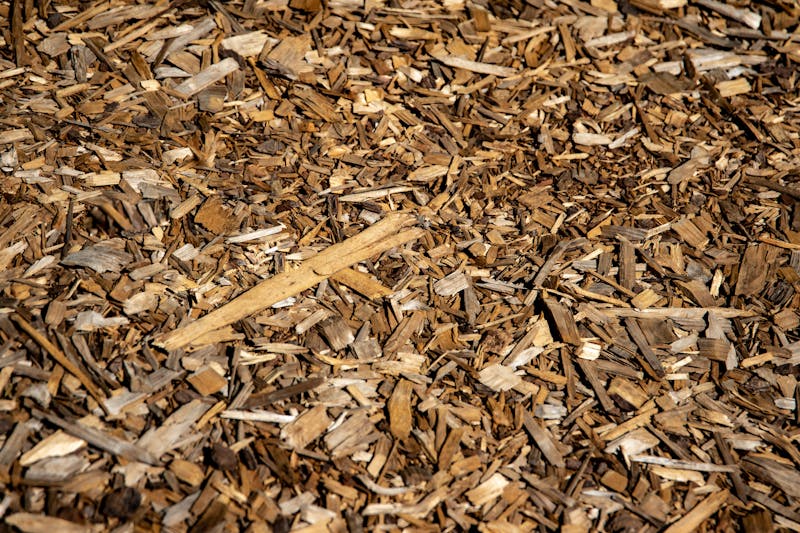
The 800 lbs/cubic yard density is a fair average for shredded hardwood and cedar. Pine straw runs lighter (around 200–300 lbs per cubic yard), while rubber mulch runs heavier (1,100–1,200 lbs per cubic yard). The volume math stays the same regardless of material — only the weight conversion changes.
Recommended materials
Bagged cedar mulch is the practical choice for a bed this size — you need exactly 8 bags, you can load them yourself, and cedar's natural oils slow decomposition and deter some insects. Adding a weed barrier fabric under the mulch is worth the 15 minutes it takes for a small bed; it cuts through-soil weed germination significantly even after the mulch layer thins. Plastic landscape edging around the perimeter keeps mulch from migrating onto the lawn with every rain.
- Vigoro cedar mulch (2 cubic ft bag) — buy 8 bags for this bed; cedar resists decay and has a clean reddish-brown color that holds for one full season
- Master Mark plastic landscape edging (20 ft x 5 in) — one roll handles the perimeter of an 8-foot round bed with room to spare
- ECOgardener premium weed barrier landscape fabric (3x50 ft) — lay this before mulching; pin it flat and cut X-slits around any existing plants
FAQ
How many cubic yards of mulch do I need for an 8x8 garden bed at 3 inches deep? You need approximately 0.59 cubic yards. That rounds up to 8 standard 2-cubic-foot bags if you're buying bagged mulch at a home center.
Why does the calculator treat a round bed as 8x8? An 8-foot-diameter circle has an area of about 50 square feet. Using 8x8 (64 sq ft) as a square equivalent is a common conservative approach that accounts for the corners you'll tuck mulch into around plants and edging. If you want a tighter number for a true circle, multiply π × r² (roughly 50 sq ft) and run that area through the depth formula directly.
Is 3 inches the right mulch depth? Three inches is the standard recommendation for most ornamental beds. It suppresses weeds reliably without creating the oxygen-starved conditions that come with 4–6 inch layers. Volcanic rock or rubber mulch can go thinner since they don't decompose.
How many 2-cubic-foot bags is 0.59 cubic yards? One cubic yard equals 27 cubic feet, so 0.59 cu yd is about 16 cubic feet. A 2-cubic-foot bag covers exactly that unit, which works out to 8 bags — the calculator rounds up so you don't come up short.
Should I add a waste factor for a small bed like this? The calculator already applies a 10% waste factor. For an 8x8 bed that's a modest cushion — less than one extra bag — but it covers spills, overfill near the edging, and settling after the first rain.
How much does 0.59 cubic yards of mulch weigh? At roughly 800 pounds per cubic yard, you're looking at about 475 pounds. That's well within what a standard pickup truck handles, but plan two trips with a compact car.
Can I get 0.59 cubic yards delivered in bulk? Most bulk suppliers have a 1-cubic-yard minimum, and many charge a delivery fee that makes small orders uneconomical. For under 1 yard, bagged mulch from a home center is usually cheaper once delivery is factored in.
How often do I need to remulch? Organic mulches like cedar or hardwood break down in 1–2 years depending on your climate. Check depth in spring — if it's under 2 inches, top off to 3 inches rather than stripping and starting over.
Does mulch color affect how much I need? No. Color is a dye applied to the wood fibers and has no effect on volume or coverage rate. Buy the cubic yardage your bed requires, then choose whatever color fits the landscape.
What's the difference between shredded and nugget mulch for this size bed? Shredded mulch knits together and stays put better on sloped beds. Nuggets look cleaner longer but can float out during heavy rain. Coverage rates are the same — the volume calculation doesn't change.