Short answer
A 10×10 kitchen floor requires 111 tiles when using 12-inch square tiles with a standard 10% waste factor. The room covers 100 square feet exactly, but waste from wall cuts and breakage adds 11 tiles to that base count. You'll also need 2 bags of thinset, 2 bags of grout, and 7 sheets of cement backerboard.
How this calculator works
The tile calculator takes four inputs and runs them through a single formula that accounts for both the geometry of the floor and the reality of a real tile job.
The four inputs:
- Floor length and width — entered in feet. For this variant, 10 ft × 10 ft = 100 square feet.
- Tile size — entered in inches (12 inches here). The calculator works in inches internally because tile sizes are always stated in inches, and mixing units is a common source of error.
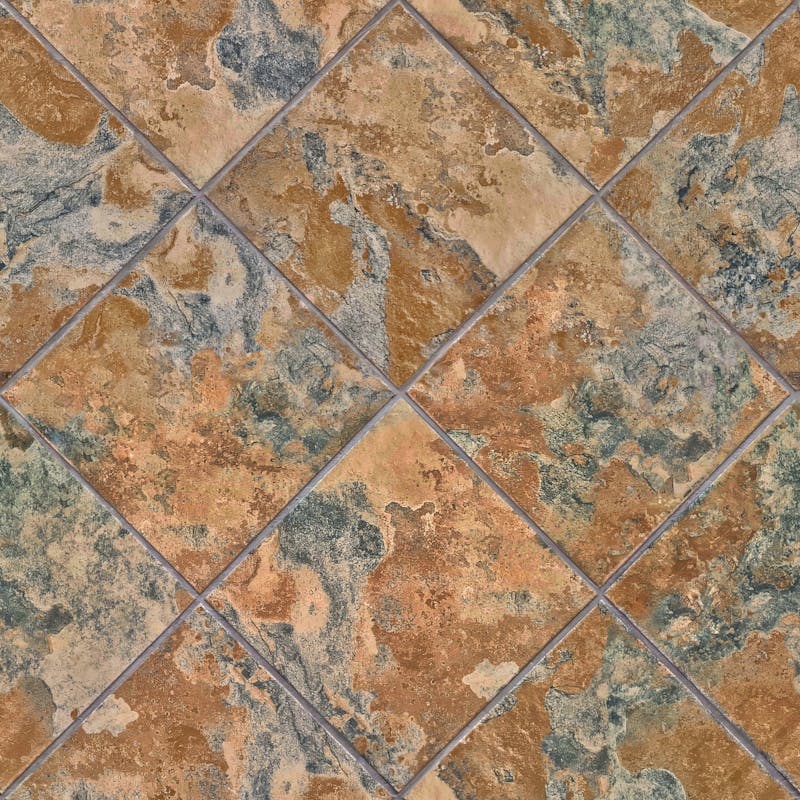
- Waste factor — a percentage added on top of the exact tile count. The default is 10% for a straight lay. Use 15% for a 45-degree diagonal layout, and 20% for herringbone.
The formula in plain English:
- Convert the floor area from square feet to square inches: 100 sq ft × 144 = 14,400 sq in.
- Divide by the area of one tile: 12 in × 12 in = 144 sq in per tile. That gives 100 tiles exactly.
- Multiply by the waste multiplier: 100 × 1.10 = 110 tiles.
- Round up to the nearest whole tile: 110 → 111 tiles.
Step 4 uses a ceiling function, not standard rounding. You can't buy 0.3 of a tile, so any fractional result always rounds up to the next whole number. This matters most on small rooms where a single extra tile can represent 2–3% of your order.
Secondary outputs this calculator also provides:
The calculator goes beyond the tile count and gives you the full materials picture for a 10×10 floor:
- Floor area: 100 sq ft — straightforward length × width, useful for double-checking against product coverage charts.
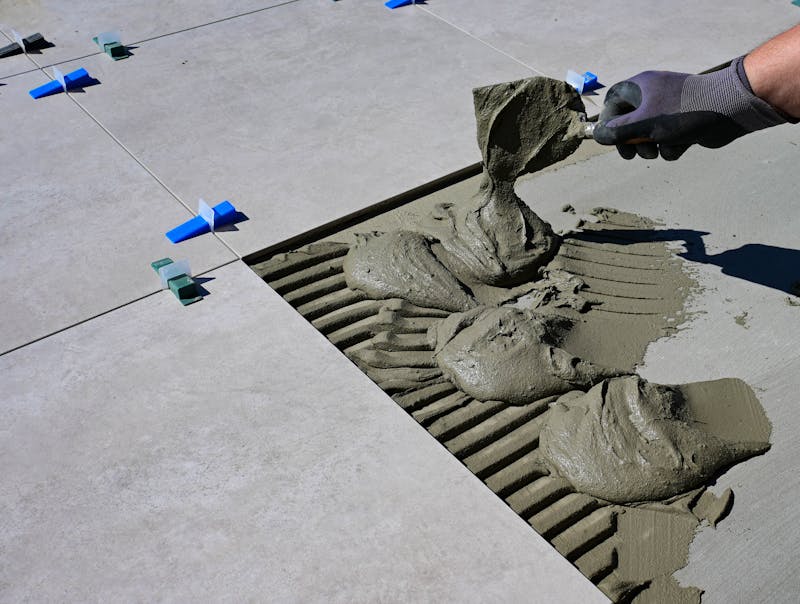
- Thinset: 2 bags (50 lb each) — based on a standard coverage of 50 sq ft per 50-lb bag using a 3/16-inch V-notch trowel. Back-buttering large-format tile can increase thinset consumption by 20–30%.
- Grout: 2 bags (25 lb each) — based on 75 sq ft per 25-lb bag for 12-inch tile with a 3/16-inch joint. This coverage drops if you use wider joints or smaller tiles with more linear grout footage per square foot.
- Cement backerboard: 7 sheets (3×5 ft) — each sheet covers 15 sq ft. Seven sheets cover 105 sq ft, which gives you a small amount of trim allowance on a 100 sq ft floor.
Why the formula uses ceiling division:
Tile stores sell whole tiles. If your exact calculation comes out to 110.4, you need 111 tiles — not 110. The ceiling function prevents under-ordering, which is the more costly mistake. Running out of tile mid-job means stopping work, hoping the same dye lot is still in stock, and paying shipping on a small second order. Over-ordering by one box is almost always cheaper.
What this calculator does not account for:
It doesn't adjust for pattern complexity beyond the waste percentage input. A herringbone pattern at 20% waste handles the extra cuts, but the calculator won't tell you the optimal tile orientation for minimizing waste in your specific room dimensions. For rooms with many cutouts (cabinets, islands, irregular walls), a paper sketch or tile layout software will catch inefficiencies the formula can't see.
The calculator also assumes square tiles. Rectangular tiles (e.g., 12×24 in) require a different calculation because the aspect ratio affects how cuts land at room edges.
Recommended materials
For a 10×10 kitchen floor, you need thinset, grout, and cement backerboard in addition to the tile itself. These are workhorses used on professional jobs — not premium upsells.
- Custom Building Products thinset mortar (50 lb) — a polymer-modified mortar suited for floor tile on cement board or slab; two bags cover this floor.
- Mapei Ultracolor Plus grout (25 lb) — a single-component grout with built-in stain resistance; two bags handle the 100 sq ft floor at standard joint width.
- USG Durock cement board (3x5 ft) — industry-standard cement backer; you need 7 sheets to cover the subfloor before setting tile.
Buy thinset and grout in the same trip as the tile. These products have a shelf life, and leftover bags left open in a garage can harden or absorb moisture before you need them for a repair.
FAQ
How many 12-inch tiles do I need for a 10x10 kitchen? You need 111 tiles for a 10×10 kitchen using 12-inch square tiles with a 10% waste factor. The floor itself is exactly 100 square feet, which would be 100 tiles at zero waste — but cuts, breaks, and future repairs make the extra 11 tiles necessary.
Why do I need more tiles than the square footage? Every tile job produces waste: partial tiles at walls, cuts that crack, and the occasional tile you break during installation. A 10% waste factor is standard for a straight lay; diagonal and herringbone patterns need 15–20% because more cuts are required.
How much thinset do I need for a 10x10 floor? Two 50-pound bags of thinset mortar cover a 100-square-foot floor. Coverage can vary slightly based on how thick you spread the mortar and whether you back-butter the tiles, so having a third bag on hand is reasonable for a first-time installer.
How many bags of grout do I need? Two 25-pound bags of grout are enough for 100 square feet of 12-inch tile with standard grout joint widths (1/8 to 3/16 inch). Wider joints consume more grout, so check the bag's coverage table if you plan to go wider.
Do I need backerboard under kitchen floor tile? Yes, unless you're tiling over an existing cement slab. Wood subfloors flex under foot traffic, which cracks grout and eventually the tile itself. You need 7 sheets of 3×5 ft cement board to cover a 10×10 floor.
What waste factor should I use for a diagonal tile pattern? Use 15% for a 45-degree diagonal lay. The angled cuts at every wall edge produce significantly more offcuts than a straight grid. For herringbone, bump that to 20%.
Can I use leftover tile for repairs later? Yes — store 5–10 tiles from the same dye lot after installation. Tile colors shift between production runs, and a cracked tile repaired with a close-but-not-matching replacement is visible forever.
Does tile size change how many I need for the same floor area? Larger tiles cover more area per piece, so the tile count drops — but waste percentage matters more with large-format tiles because a single bad cut wastes more material. A 24-inch tile covering 4 square feet means one cracked piece is a big loss.
How do I calculate tiles needed for an irregular room? Break the room into rectangles, calculate each section separately, then add the tile counts together before applying a single waste factor. Don't apply waste to each section independently or you'll double-count.
Is a 10% waste factor enough for a beginner DIYer? Probably not. Beginners break more tiles from inexperienced cuts and may need to relay sections. Budget 15% if this is your first tile job.
What grout joint size is standard for 12-inch floor tile? The most common grout joint for 12-inch floor tile is 3/16 inch. Some installers go as tight as 1/8 inch with rectified (precisely cut) tile. Avoid joints under 1/16 inch — they don't leave room for slight size variations between tiles.
How long does it take to tile a 10x10 kitchen floor? An experienced tile setter can complete a 10×10 floor in one full day, including layout, setting, and cleanup. A first-time DIYer should plan for two days: one for setting the tile and one for grouting after the thinset cures (typically 24 hours).