Short answer
An 8x10 bathroom floor requires 89 tiles when using 12-inch square tiles with a standard 10% waste factor. The room covers 80 square feet, and the extra 9 tiles cover wall cuts and breakage. You'll also need 2 bags of thinset, 2 bags of grout, and 6 sheets of cement backerboard.
How this calculator works
The tile calculator takes four inputs and converts everything into a single tile count that reflects real job-site conditions, not just raw square footage.
The four inputs:
- Floor length and width (feet) — The inside dimensions of the room, wall to wall. Measure at the floor, not the baseboard. If the room is out of square—common in older homes—measure in two or three spots and use the longest dimension for each axis.
- Tile size (inches) — This calculator handles square tiles. Enter the tile's face dimension, not the nominal size. A "12-inch" tile from most manufacturers is actually 11-7/8 inches, but the grout joint makes up the difference, so using 12 works for layout math.
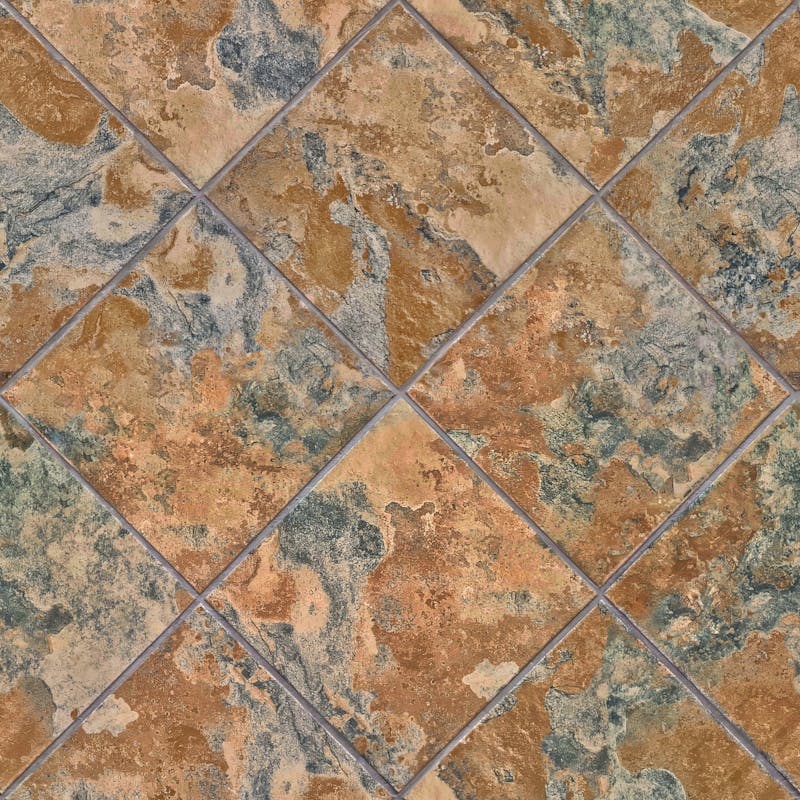
- Waste factor (percent) — The percentage of extra tile to order beyond the calculated coverage area. The default is 10%, which is appropriate for a straight grid layout. Diagonal (45°) layouts need 15% because you're cutting corners off every perimeter tile. Herringbone needs 20% because the pattern requires far more cuts throughout the field, not just at the edges.
The formula:
- Convert floor area to square inches:
8 ft × 10 ft × 144 = 115,200 sq in - Apply the waste factor:
115,200 × 1.10 = 126,720 sq in - Divide by tile area:
126,720 ÷ (12 × 12) = 880 sq in per tile → 88.0 - Round up to the next whole tile: 89 tiles
Rounding up is non-negotiable. You can't buy 0.3 of a tile, and running short mid-installation means a project halt while you track down matching stock.
Secondary outputs:
The calculator also produces material estimates for the three consumables that go under and around the tile.
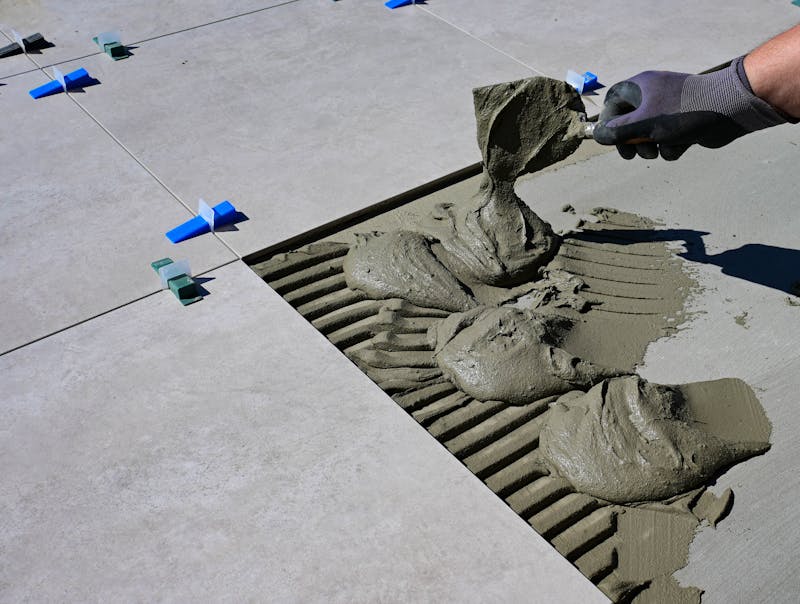
- Thinset mortar — One 50 lb bag covers approximately 50 square feet when applied with a standard 3/16-inch V-notch trowel for 12-inch tile. Larger tiles and back-buttering techniques use more. For this 80 sq ft floor, 2 bags is the right number.
- Grout — Coverage is joint-width-dependent, but for 12-inch tile with 1/8-inch joints, one 25 lb bag covers about 75 square feet. Two bags is the call here, and you'll have a small amount left over for touch-ups.
- Cement backerboard — Sold in 3×5 ft sheets (15 sq ft each). Six sheets covers the 80 sq ft floor with some overage for cutting waste around the perimeter. Backerboard cuts with a scoring knife and snapping, but you'll still lose some material at the edges.
What the output doesn't include:
The tile count is for field tile only. It doesn't include decorative borders, transition strips, schluter edge trim, or threshold pieces. If your design calls for a tile border or a different tile species at the transition to hardwood, calculate those areas separately and add them to your order.
The formula also assumes a single room rectangle. L-shaped or T-shaped floors should be broken into two rectangles, calculated independently, and summed.
Recommended materials
For an 8x10 bathroom floor tile job, you need thinset rated for your tile type (porcelain requires a polymer-modified mix), a sanded grout for joints 1/8 inch or wider, and cement board for the substrate. These are standard products available at any tile supplier or home center.
- Custom Building Products thinset mortar (50 lb) — Polymer-modified formula, suitable for porcelain and ceramic on floors
- Mapei Ultracolor Plus grout (25 lb) — Sanded grout with built-in stain protection, available in a wide color range
- USG Durock cement board (3x5 ft) — Industry-standard backerboard, alkali-resistant mesh facing, scores and snaps cleanly
FAQ
How many 12-inch tiles do I need for an 8x10 bathroom floor? You need 89 tiles for an 8x10 floor using 12-inch square tiles with a 10% waste factor. The floor covers 80 square feet, and the extra tiles account for cuts at walls and any breakage during installation.
Why do I need more tiles than the square footage suggests? An 8x10 floor is 80 square feet, and 12-inch tiles cover exactly 1 square foot each, so the math seems like 80 tiles should do it. In practice, you'll cut tiles at every wall edge and around obstacles, and some cuts crack or get measured wrong. A 10% waste factor adds 9 tiles as a buffer.
What waste factor should I use for a diagonal tile layout? Use 15% for a 45-degree diagonal layout. Cutting tiles at an angle generates more offcuts, and corner cuts are smaller and harder to reuse. A herringbone pattern needs 20% because nearly every tile requires a cut.
How much thinset do I need for an 8x10 bathroom floor? You need 2 bags of 50 lb thinset mortar for an 80 square foot floor. One bag covers roughly 50 square feet, so two bags gives you the coverage you need with minimal leftover.
How much grout do I need for an 8x10 bathroom? Two 25 lb bags of grout will cover the 80 square foot floor when using 12-inch tiles. Grout coverage varies with joint width—wider joints consume more grout—but for standard 1/8-inch joints with 12-inch tile, one bag covers about 75 square feet.
Do I need cement backerboard under bathroom floor tile? Yes, unless you're tiling over an existing concrete slab. Standard subfloor plywood is not dimensionally stable enough when wet, and tile set directly on it will crack or debond over time. For an 8x10 floor you need 6 sheets of 3x5 ft cement board.
Can I use the same tile count for wall tile in a bathroom? Not directly. This calculator is for floor area. Wall tile calculations require measuring each wall's height and width separately and accounting for openings like windows, niches, and the tub surround. Run the calculator again with each wall's dimensions.
What if my bathroom has an irregular shape or cutouts? Break the floor into rectangles, calculate each section separately, then add the tile counts together. For cutouts like a toilet flange or vanity base, subtract that area before calculating—but keep the full waste factor because you still need to cut around those obstacles.
Does tile size affect how many bags of grout I need? Yes, significantly. Smaller tiles like 4-inch or mosaic sheets have far more grout joints per square foot, so they consume more grout than large-format tiles. The secondary output in this calculator is calibrated for 12-inch tile. If you're using smaller tiles, budget an extra bag or two.
Should I buy extra tiles beyond the calculated 89? Buy at least one full box beyond what the calculator calls for if your tile comes in boxes. Tile dye lots change between production runs, so if you crack a tile during grouting or need a repair a year from now, you may not be able to match the color from store stock.
How do I account for a shower threshold or step in the tile count? Measure those surfaces separately and add their square footage to the floor area before calculating. A threshold is typically 4–6 inches wide, so it adds a small but real number of cuts and tile usage.